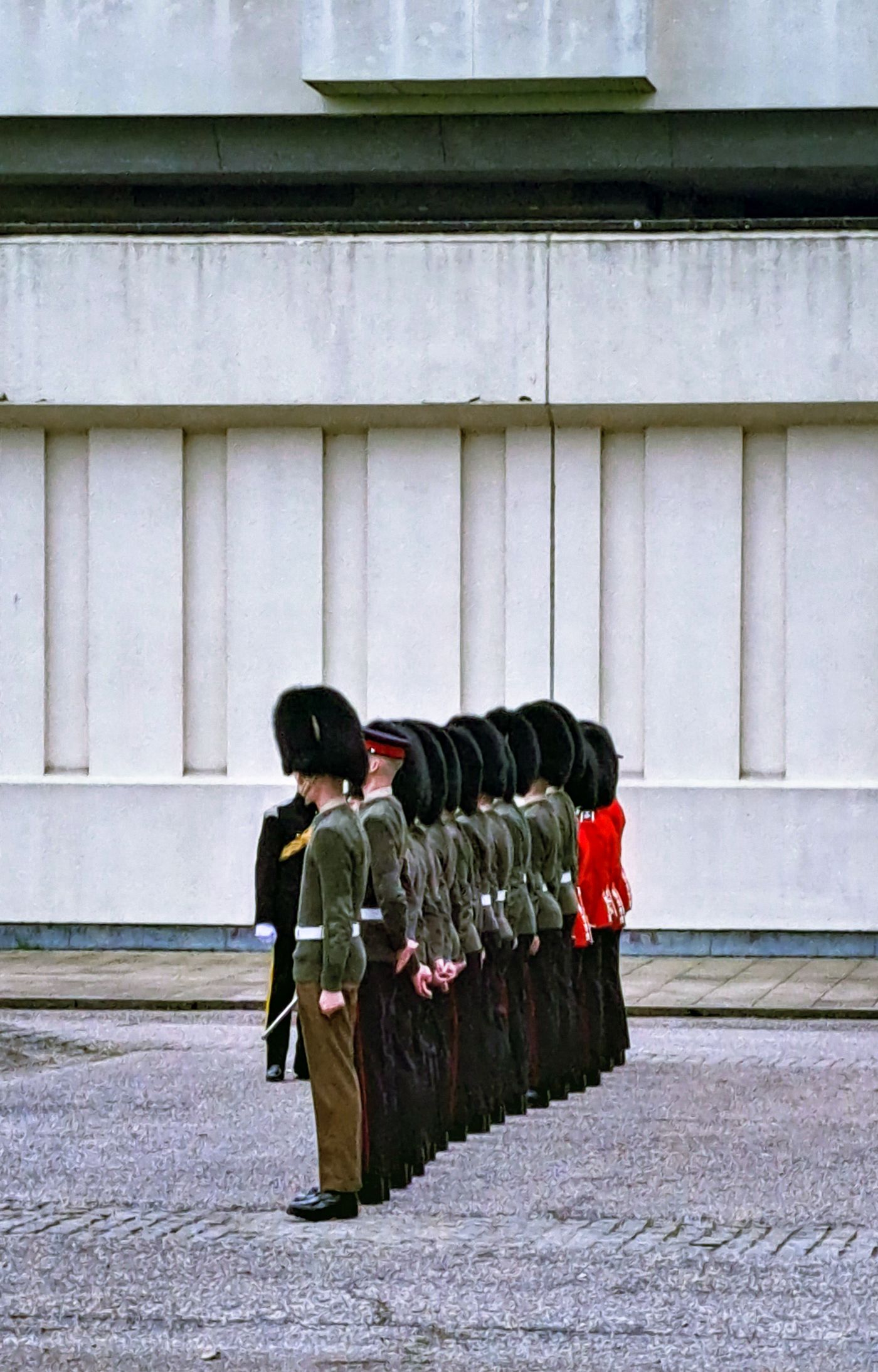
January
2–8°CCrowds: Very low
Cheapest month. Museums empty, galleries yours, sales on. Dark by 16:15 and many rural attractions shut until mid-February.
Timing
England has four genuinely different seasons and prices that follow them closely. Here is the honest trade-off for each, month by month, including the weeks worth avoiding.
Season by season
Crowd, rain, daylight and value are scored out of one hundred relative to the English year, not to anywhere else.
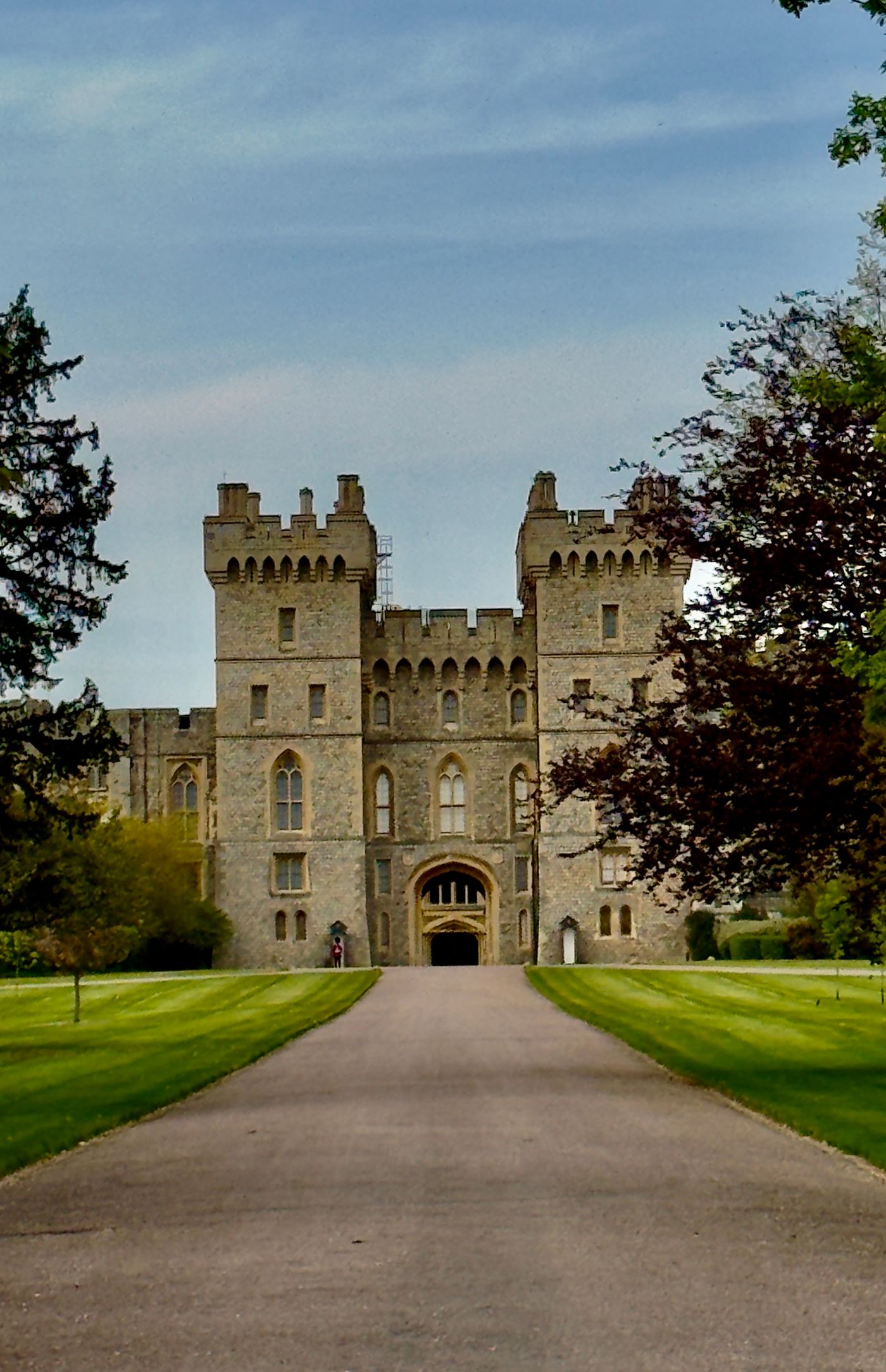
The value window. Gardens wake up, daylight stretches past half eight by mid-May, and accommodation rates have not yet caught up with the weather.
Reasons to come
Reasons to think twice
Long evenings, festivals and every attraction at capacity. Book timed entry weeks in advance or accept a queue at everything worth seeing.
Reasons to come
Reasons to think twice
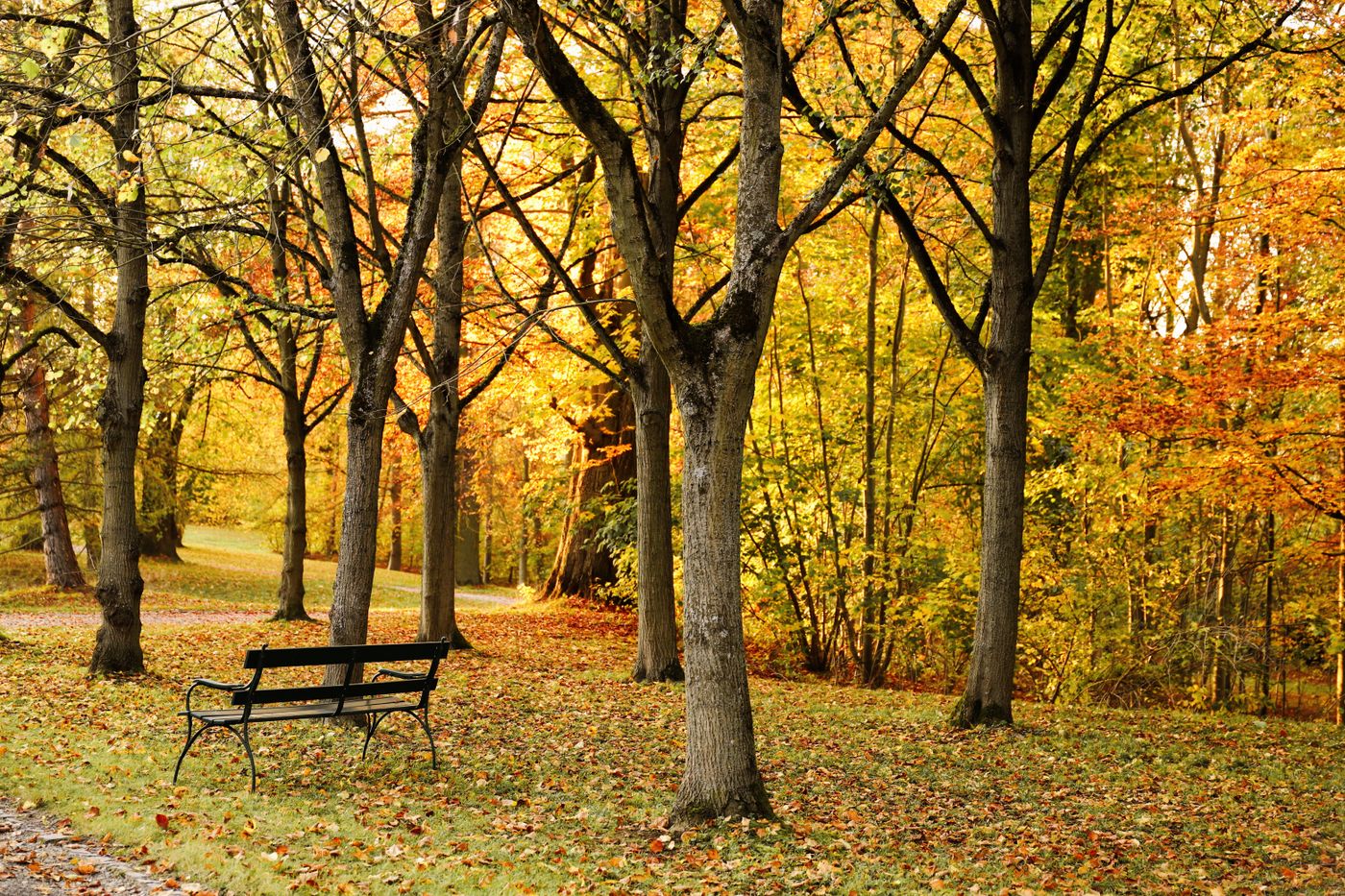
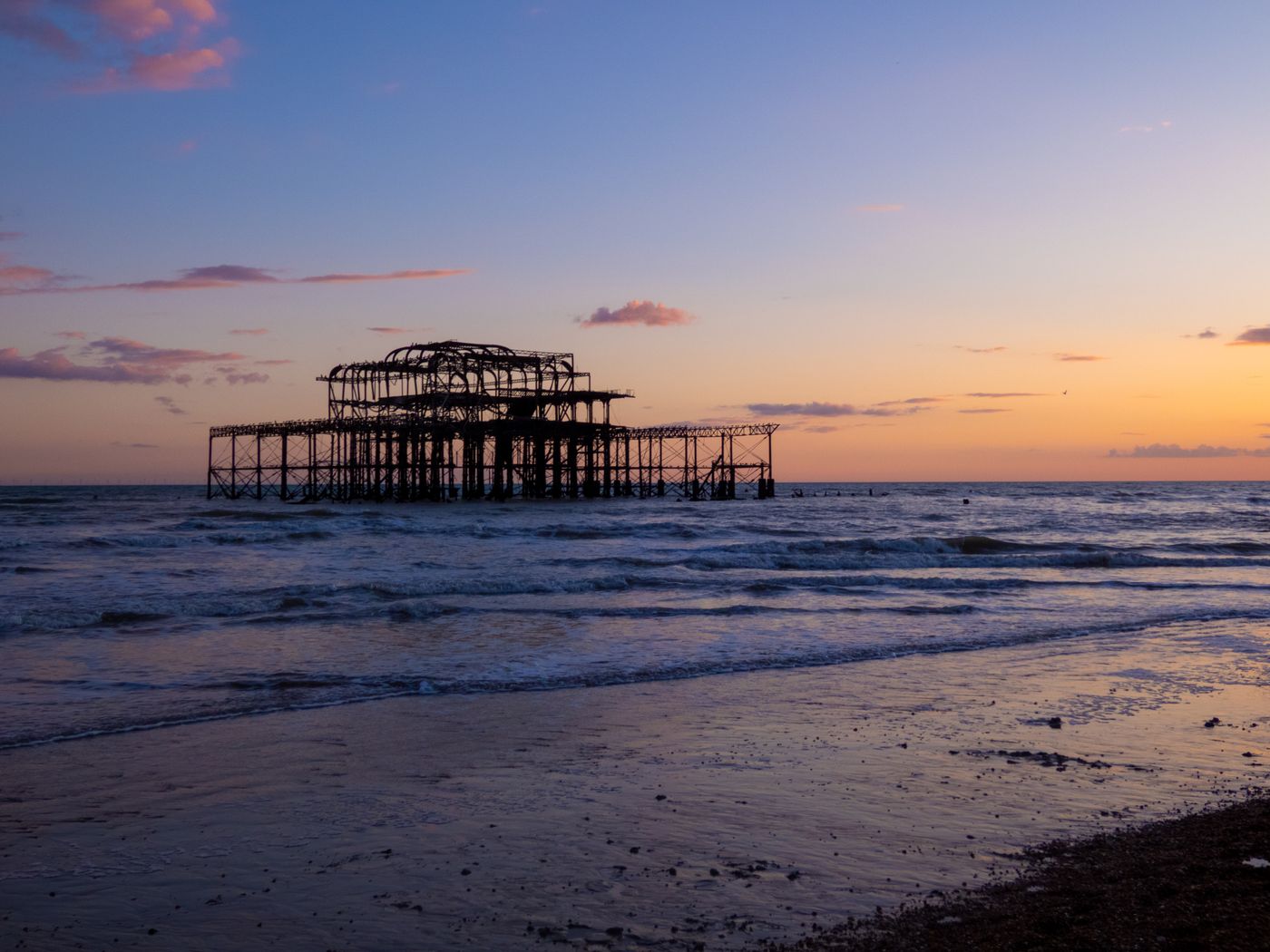
September is summer with the crowds removed and the sea at its warmest. By November it is dark at four, but that is when the pubs finally make sense.
Reasons to come
Reasons to think twice
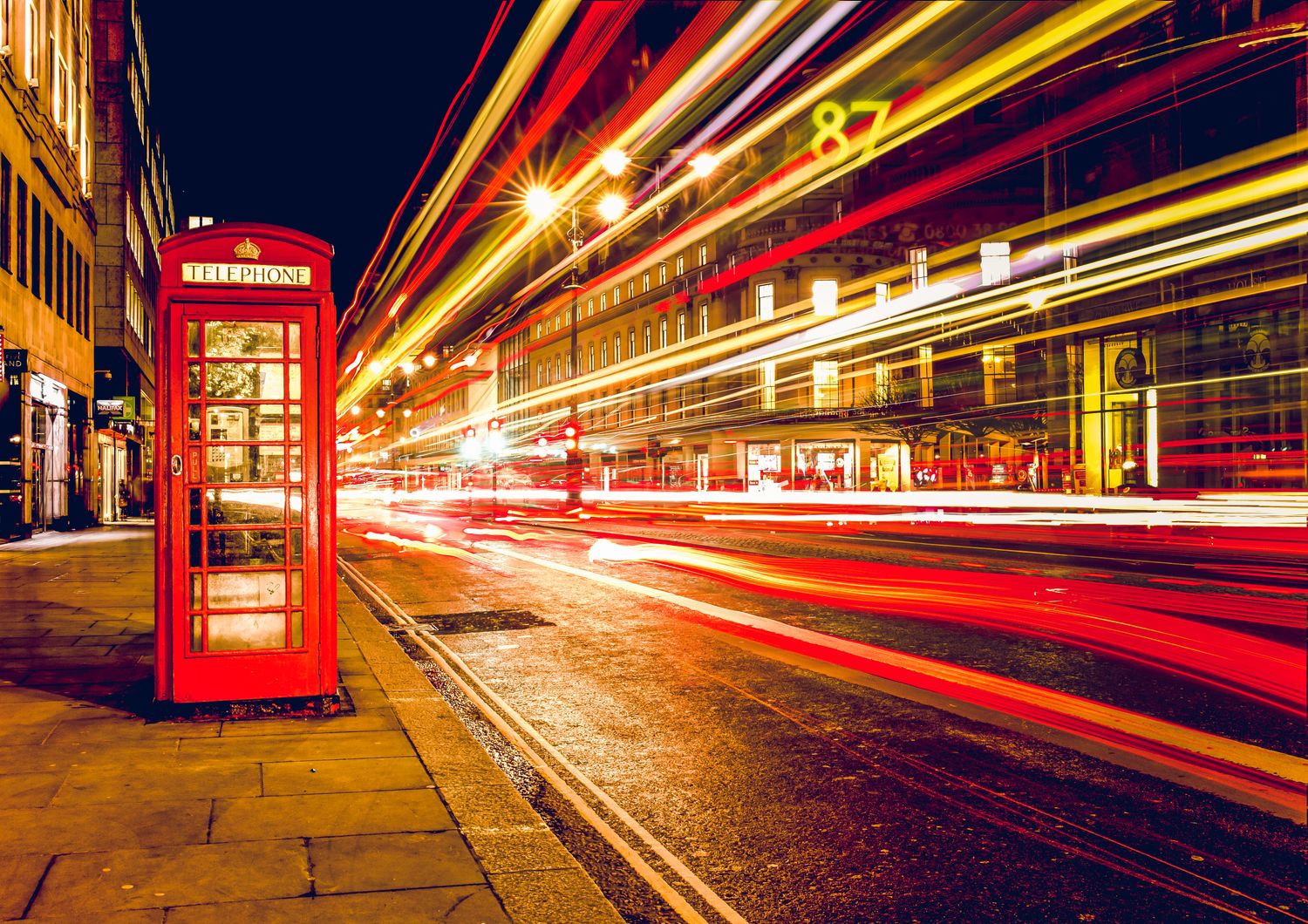
Cheapest flights, emptiest galleries, shortest days. Christmas markets through December, then a very quiet and very cheap January.
Reasons to come
Reasons to think twice
Month by month
Temperatures are typical daily low and high. Crowd levels are relative to the English year — a low month in England is still busy in central London.
Crowds: Very low
Cheapest month. Museums empty, galleries yours, sales on. Dark by 16:15 and many rural attractions shut until mid-February.
Crowds: Low
Snowdrops, the last cheap flights, and half-term chaos in the final week. Still dark early but the light starts returning.
Crowds: Low
Daffodils everywhere and clocks forward at the end of the month. Weather genuinely unpredictable; pack for two seasons.
Crowds: Rising
Gardens at their best, Easter crowds excepted. The last fortnight is arguably the best two weeks of the year to visit.
Crowds: Medium
Bluebell woods, long light until 20:45, two bank holidays. Rates rise but the country looks its best.
Crowds: High
Longest days of the year — light until 21:30. Wimbledon, festivals, and the start of serious crowds.
Crowds: Very high
School holidays begin around the 20th. Hottest month, busiest attractions, highest prices. Book everything.
Crowds: Very high
Peak everything. Bank holiday at the end, Notting Hill Carnival, and coastal towns completely full.
Crowds: Medium
Summer weather without the crowds and the sea at its warmest. The best month overall for a first visit.
Crowds: Medium
Autumn colour peaks mid-month, clocks go back at the end. Half-term week triples family attraction queues.
Crowds: Low
Grey, wet and cheap. Bonfire Night on the 5th, Christmas markets from the last week. Pubs make complete sense.
Crowds: Mixed
Markets and lights until the 24th, then almost everything closes on the 25th and 26th. Trains barely run on Christmas Day.
The rain question
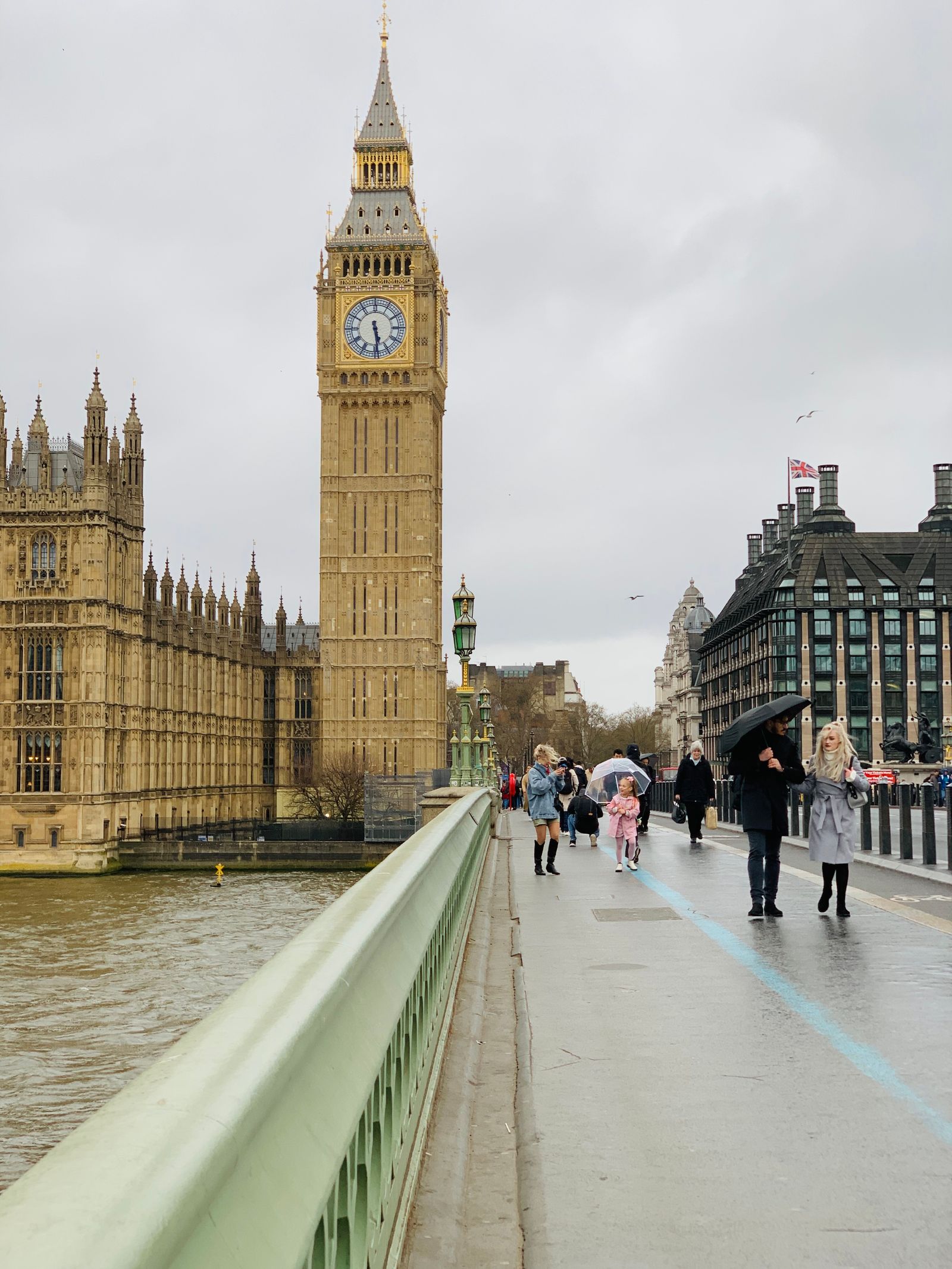
London receives around 600mm of rain a year — less than Rome, Milan or Sydney. What England does is distribute it across many more days, in smaller amounts, at unpredictable hours. Plan for interruption, not deluge.
Daylight
| Month | Sunrise | Sunset | Daylight |
|---|---|---|---|
| 21 December | 08:04 | 15:53 | 7h 49m |
| 1 February | 07:40 | 16:47 | 9h 07m |
| 21 March | 06:03 | 18:13 | 12h 10m |
| 1 May | 05:29 | 20:20 | 14h 51m |
| 21 June | 04:43 | 21:21 | 16h 38m |
| 1 September | 06:14 | 19:47 | 13h 33m |
| 21 October | 07:41 | 18:02 | 10h 21m |
| 1 December | 07:37 | 15:55 | 8h 18m |
London times · the north gets noticeably longer summer evenings and shorter winter days
Fixed points
New Year, Good Friday, Easter Monday, early and late May, late August, Christmas and Boxing Day. Trains are busy, some shops shut, museums stay open.
8 a year
Late July to early September, plus three half-term weeks and a fortnight at Christmas and Easter. Prices and queues follow them exactly.
Avoid if you can
25 and 26 December: almost everything closes, and the railway barely runs on Christmas Day itself. Plan to be somewhere you can walk.
Dec 24–26
Forward on the last Sunday in March, back on the last Sunday in October. The October change makes November feel abrupt.
March & October
Timing questions
September. Summer weather without summer crowds, the sea at its warmest, hotel rates falling, and the schools back. Late April is a close second and slightly cheaper.
Yes, if you are city-focused. Flights and rooms are at their cheapest, the great museums are genuinely empty, and English pubs make complete sense in the dark. Skip it if you came for the countryside.
Rarely, and rarely for long. Southern England gets a handful of settling days a year; the Pennines and the Lakes get considerably more. Snow reliably breaks the railway when it does arrive.
Usually mild, occasionally severe. Heatwaves push past 32°C for a few days each summer, and almost nothing has air conditioning — including most hotel rooms and much of the Underground.
Considerably. Cotswold and coastal accommodation sells out two to three months ahead in July and August, and Advance train fares disappear faster. Winter you can plan three weeks out.
The 25th and 26th shut almost everything, and the railway effectively stops on Christmas Day — no trains at all in most of the country. Be somewhere walkable, and book a Christmas lunch weeks in advance if you want one.
Date check
Send them over. We will tell you what the light will be doing, whether you have hit a half-term week, and what to book early.
Cookies, kept minimal
No preference saved yet
Essential cookies keep the site working. Optional ones tell us which guides get read so we know what to update. No ad networks, no data sold, and you can change this any time.