 1h 55m
From King's Cross
1h 55m
From King's Cross
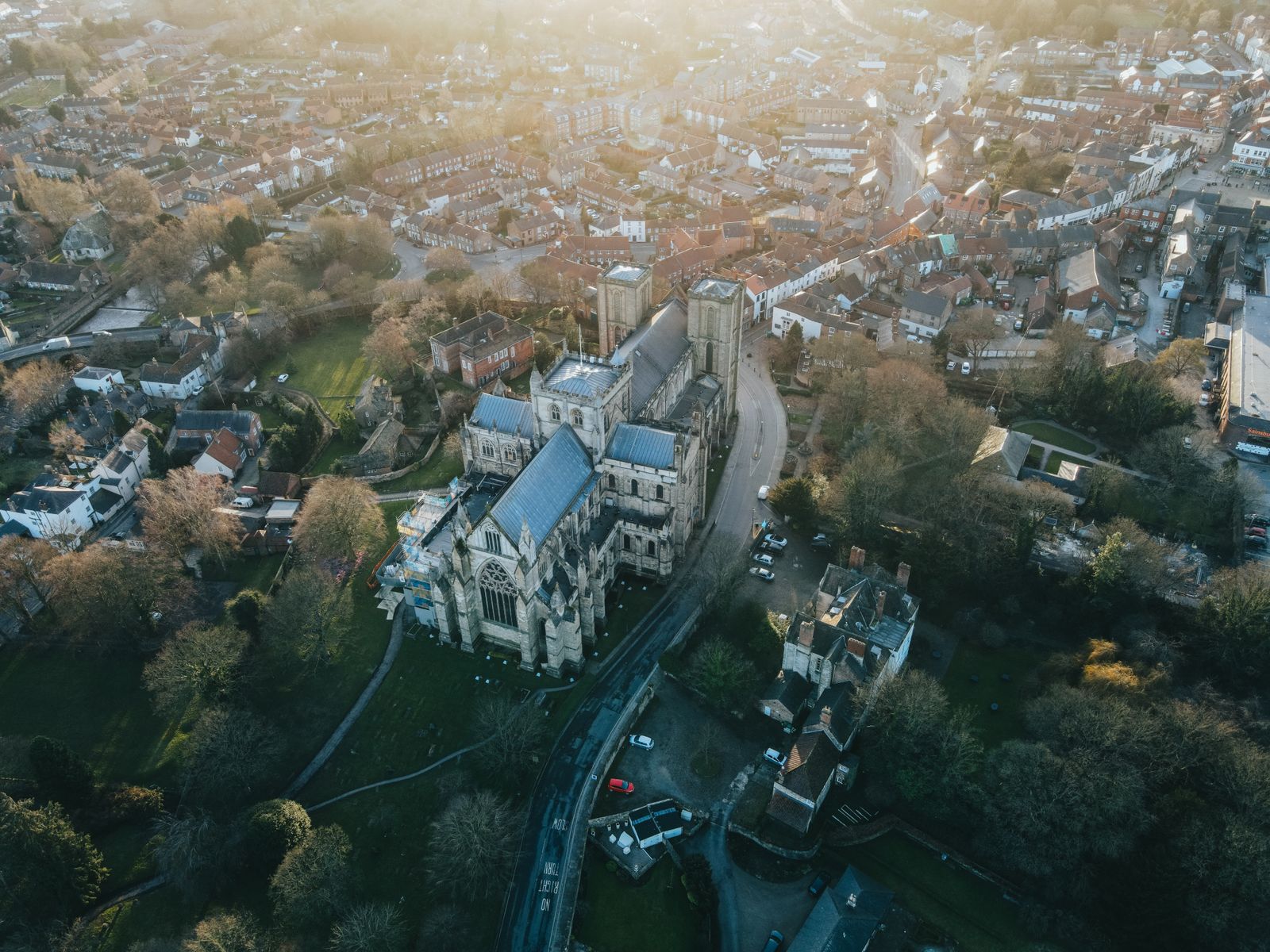
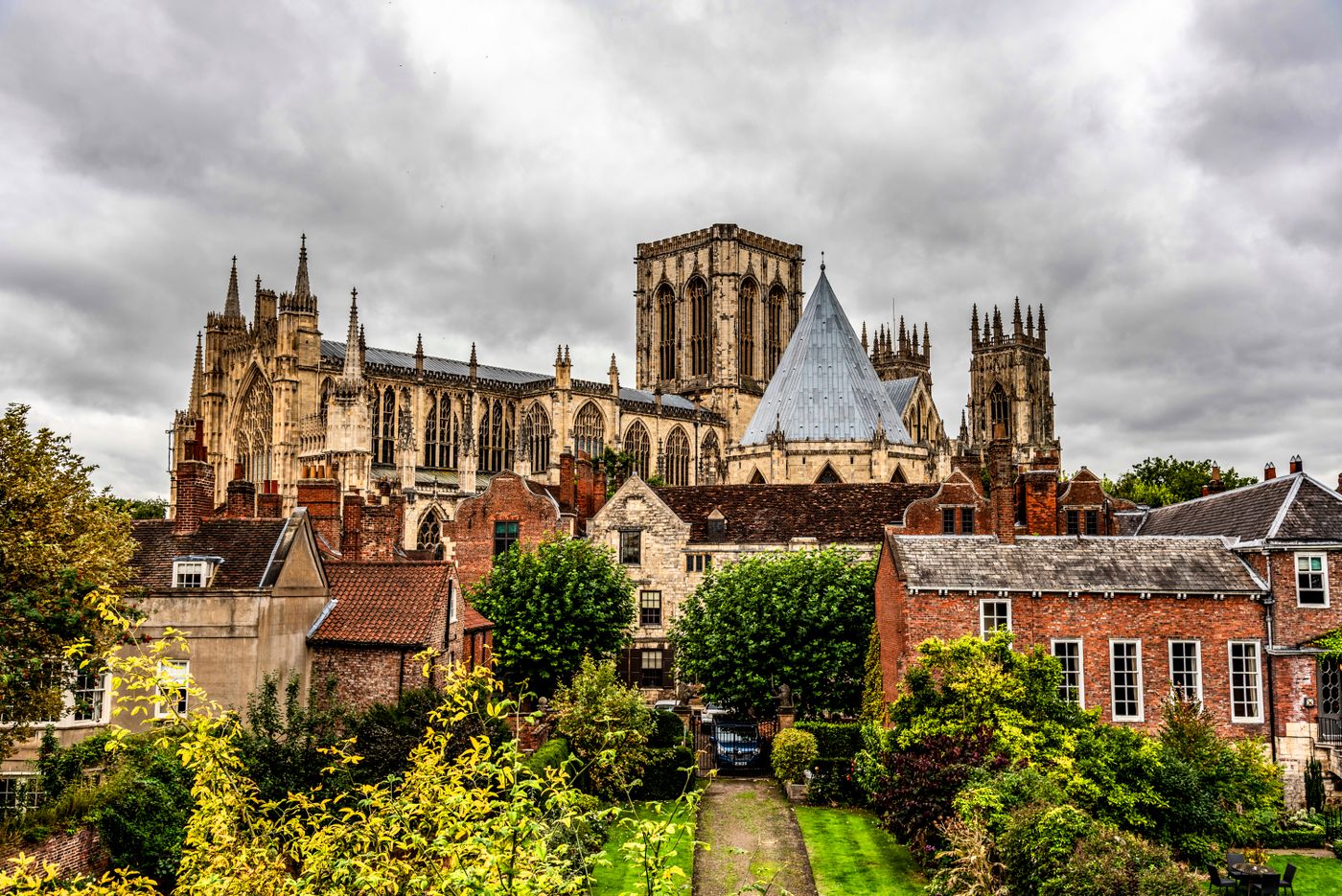
York
Roman walls, a Gothic minster and the Shambles. Walkable end to end.
What things really cost. Which queue to join. When the train is cheap and the museum is empty. No sponsored listings, no affiliate detours — just the advice we would give a friend flying in on Friday.
The bureau in numbers
What is inside
Every chapter answers the thing people actually message us about — not the thing that photographs well.
Contactless caps, split tickets, and why a walk-up single costs four times an Advance fare.
6 fare rules
Three honest daily budgets, from £60 to £451, plus every major attraction priced with a verdict.
From £60/day
Order at the bar, pay immediately, and eat before the kitchen shuts at nine.
12 customs
Late April and September: long days, half the crowds, sane prices. Month-by-month tables.
12 months
Stand right on escalators, apologise pre-emptively, and never skip a line at a bus stop.
18 rules
Type G sockets at 230V, where to buy a data SIM at 11pm, and when to ring 111.
Essentials
 Guide
London
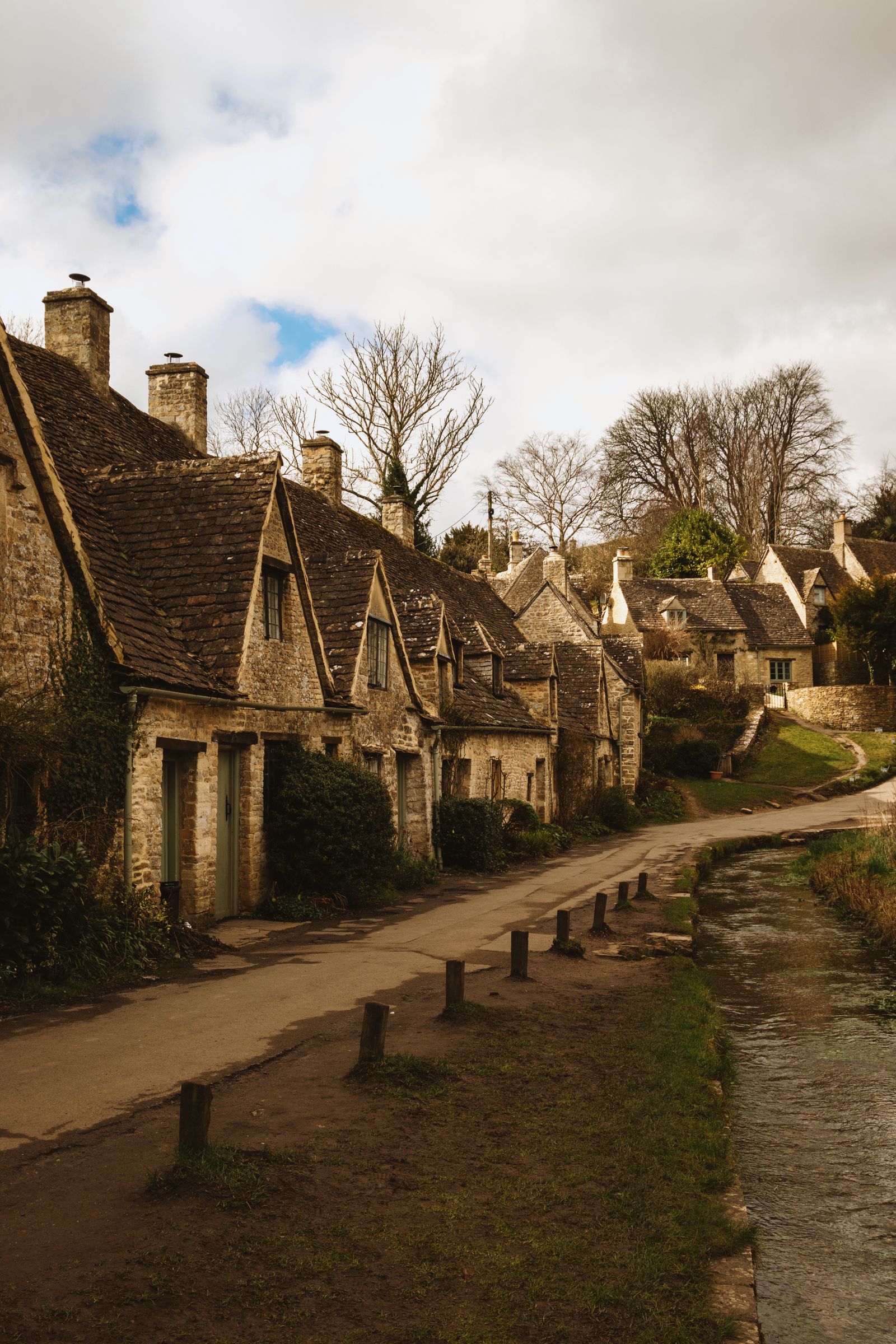
Nine districts, decoded
Pick your base by the mornings you want, not by the map.
Read more
Guide
London
Nine districts, decoded
Pick your base by the mornings you want, not by the map.
Read more
 Guide
Destinations
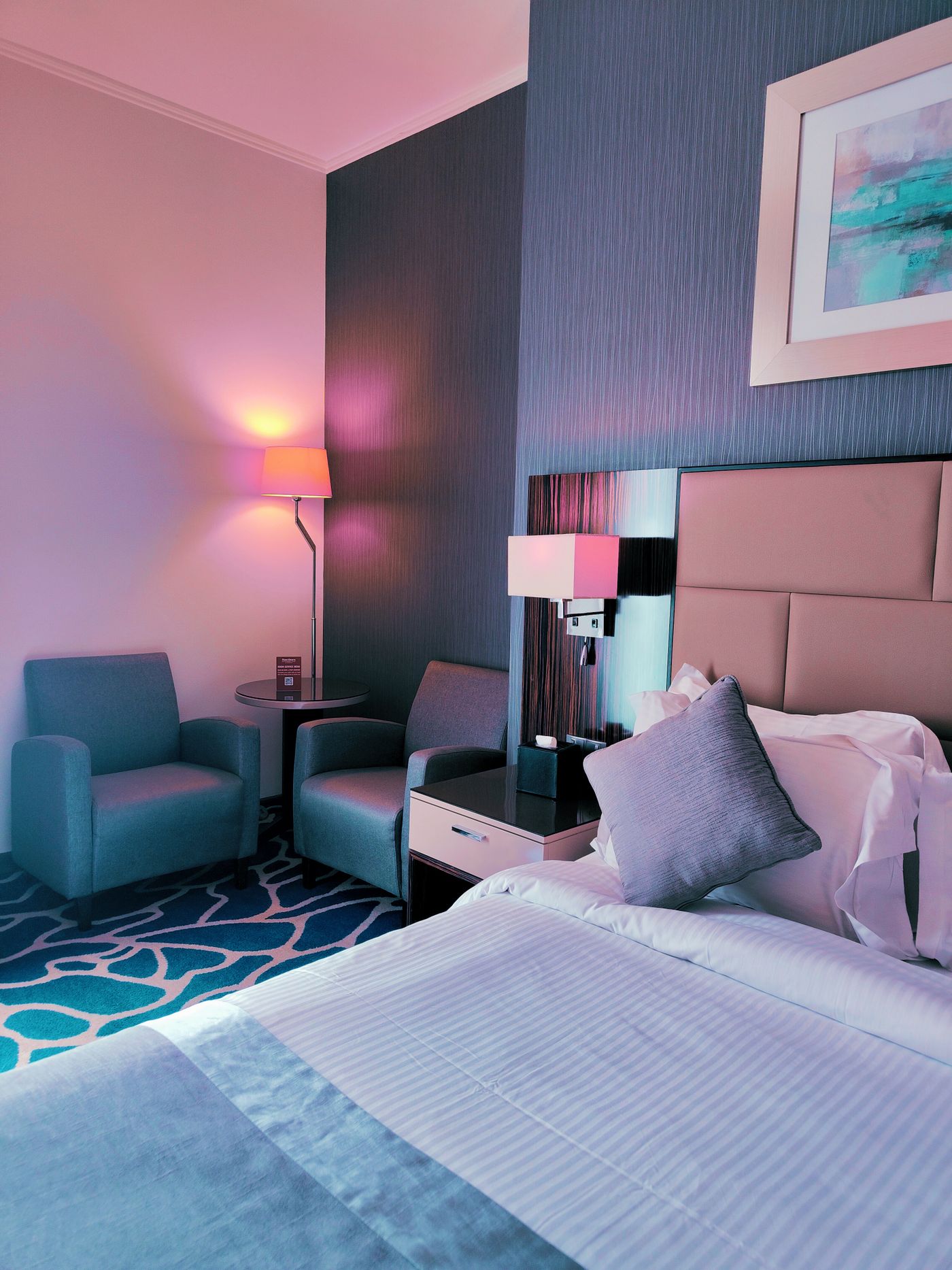
Twelve places beyond the M25
All reachable by train, all walkable on arrival.
Read more
Guide
Destinations
Twelve places beyond the M25
All reachable by train, all walkable on arrival.
Read more
 Guide
Where to stay
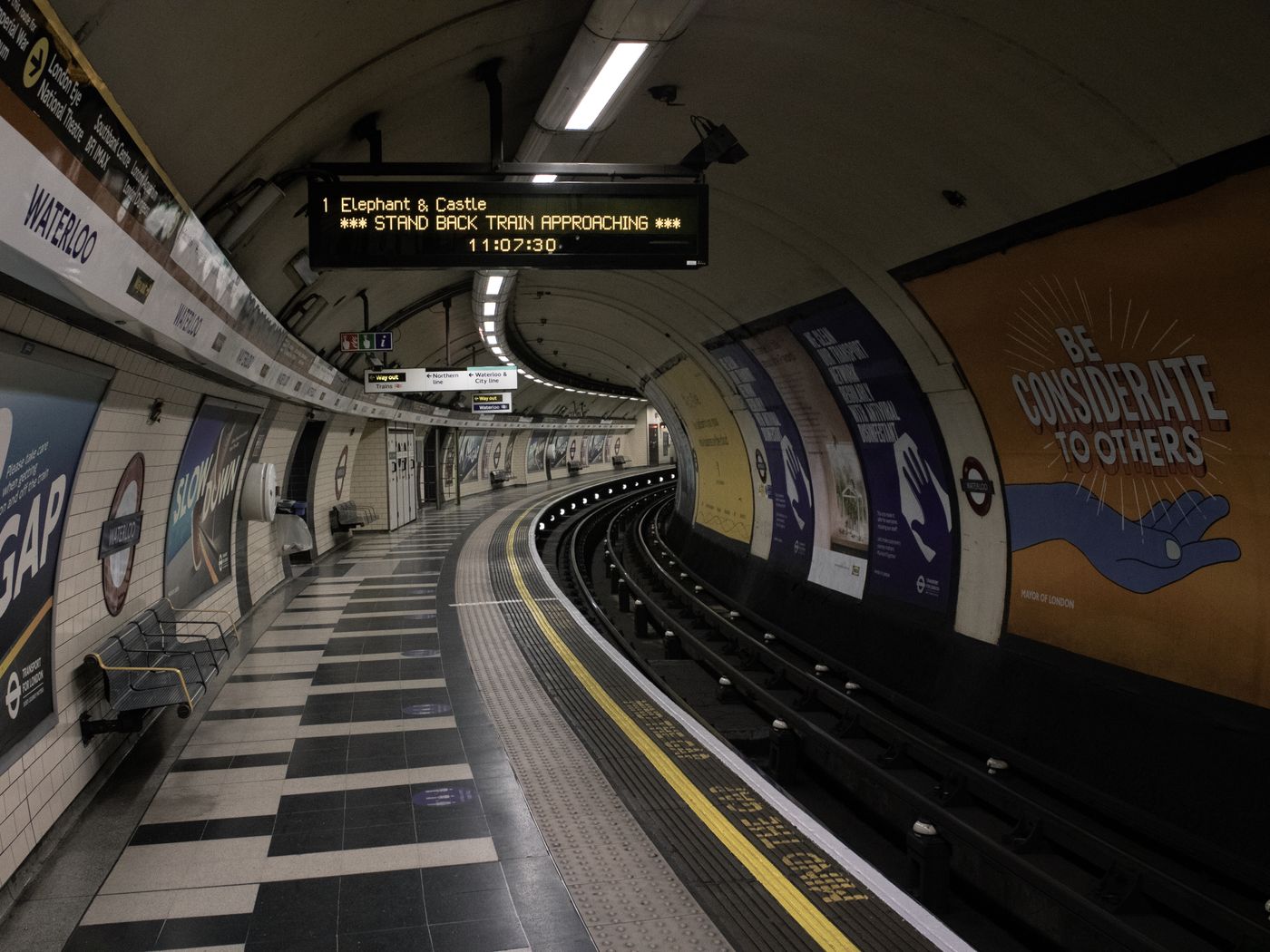
Six kinds of bed, priced
From a £24 dorm to a £320 townhouse, and which areas repay the money.
Read more
Guide
Where to stay
Six kinds of bed, priced
From a £24 dorm to a £320 townhouse, and which areas repay the money.
Read more
The correction column
None of these are embarrassing. All of them are expensive, or tiring, or both. Hover a line to see where it happens.
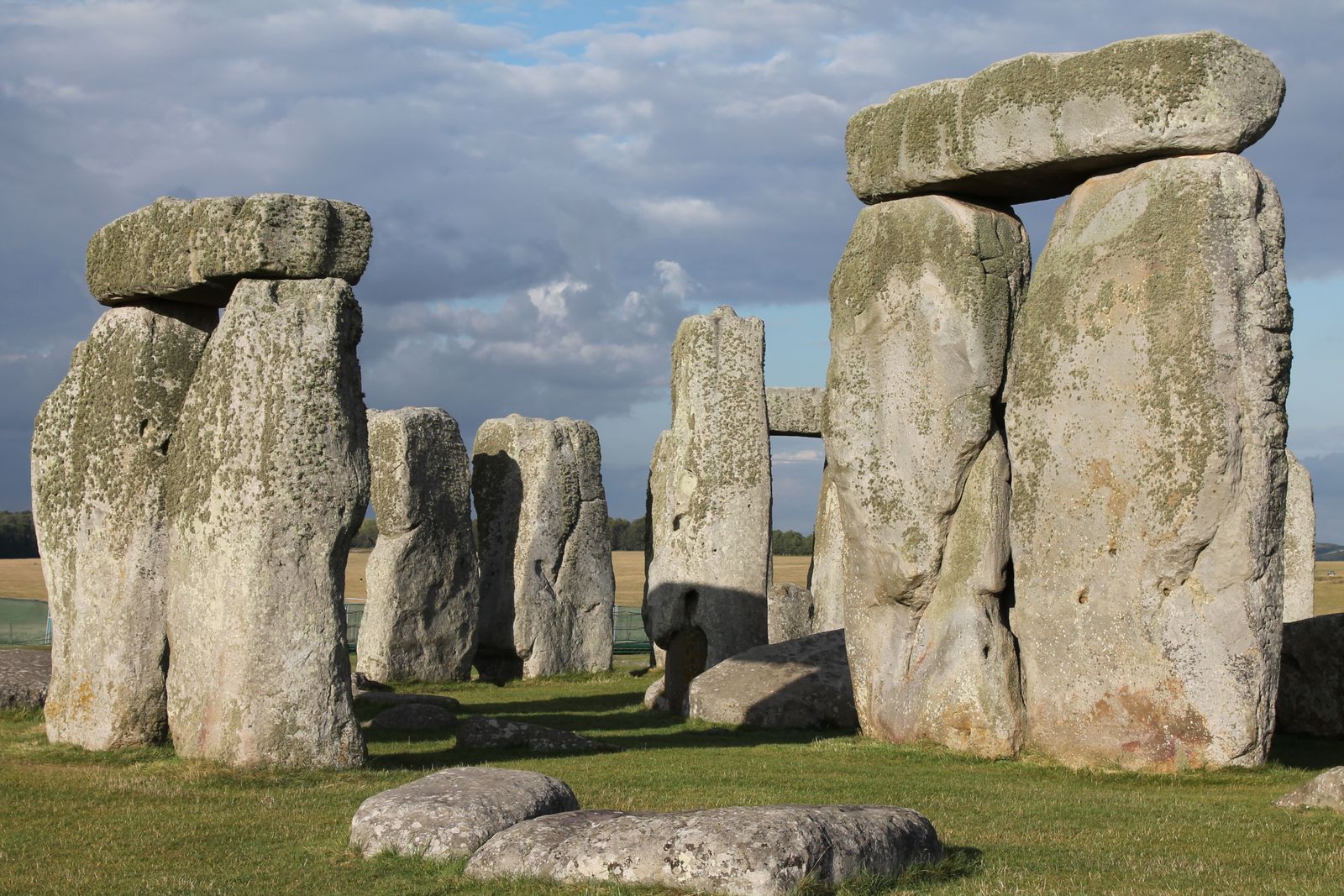
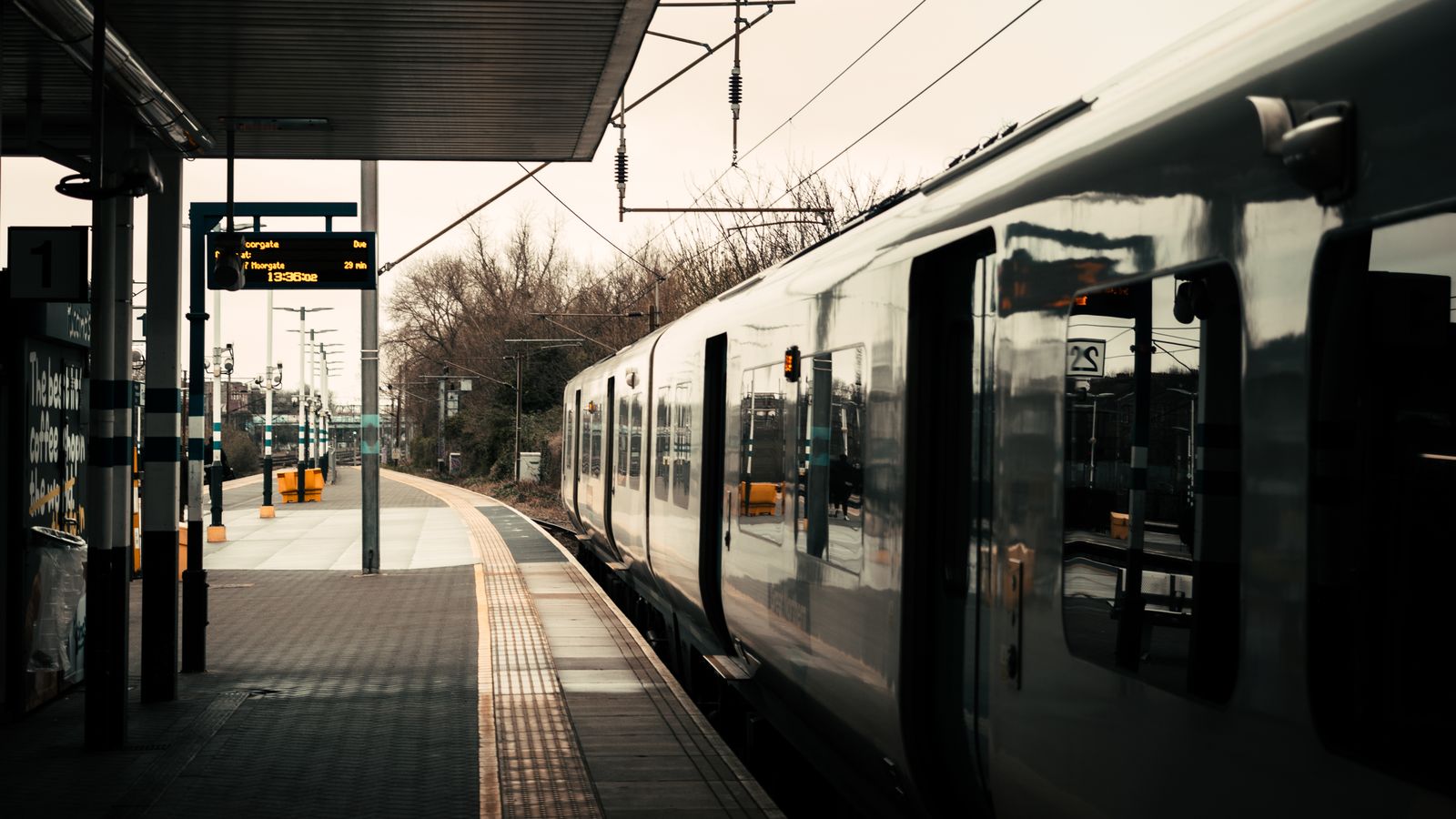

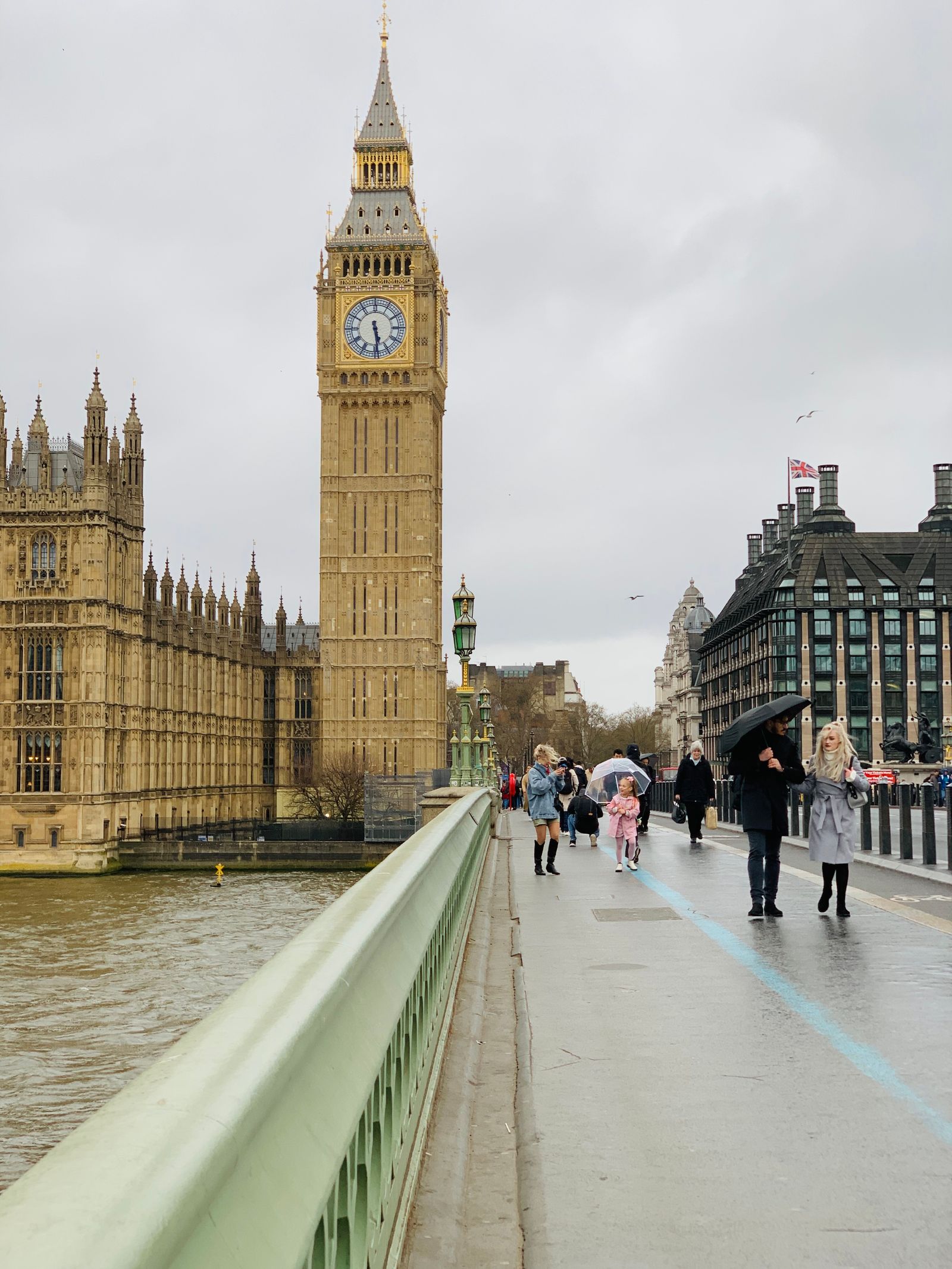

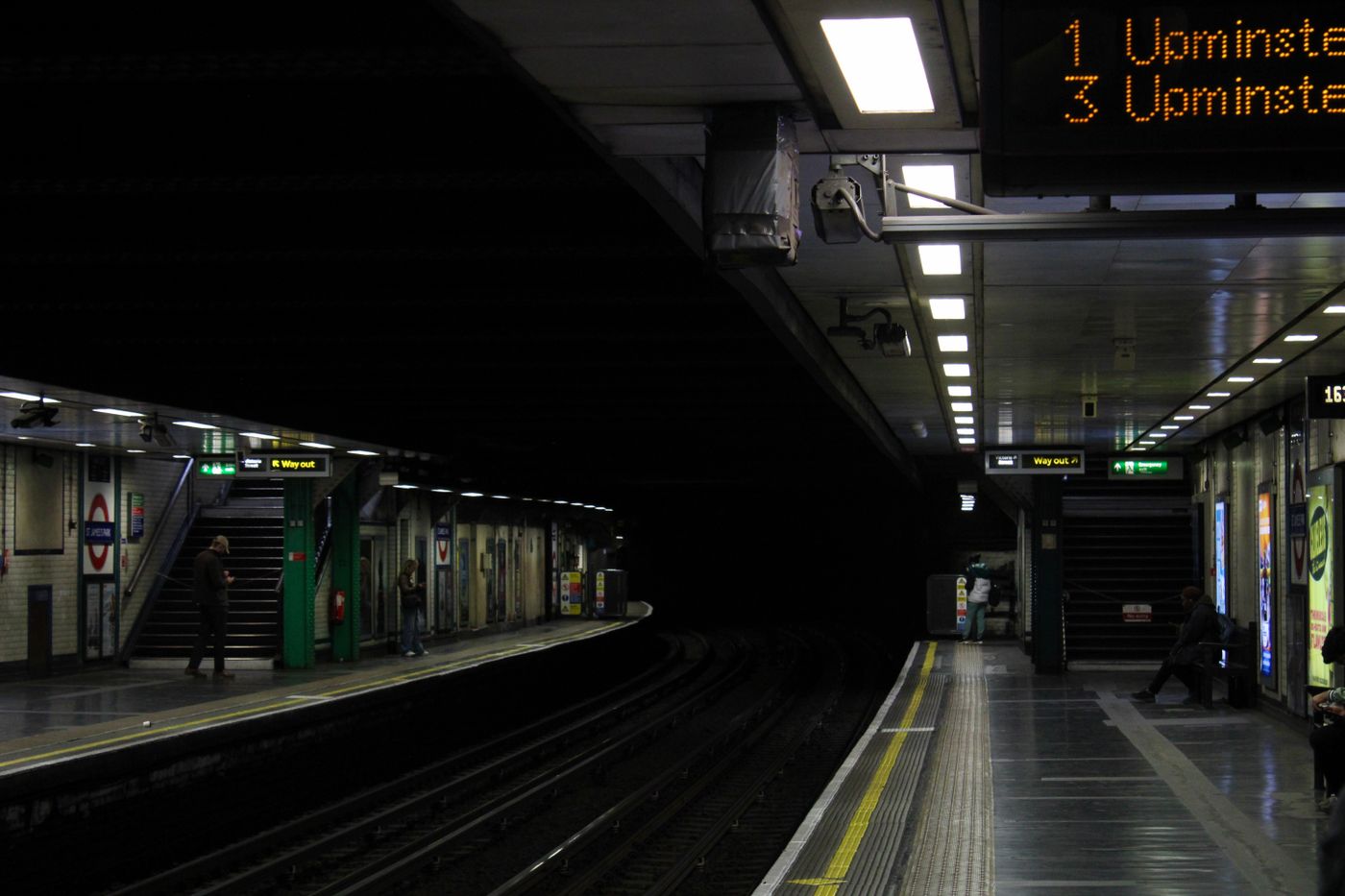
 Zone 1 · Tube
Hover the list
Zone 1 · Tube
Hover the list
Beyond the M25
Each one is under three hours from a London terminus, and none of them need a car.
1h 55m
From King's Cross
Roman walls, a Gothic minster and the Shambles. Walkable end to end.
 1h 25m
From Paddington
1h 25m
From Paddington
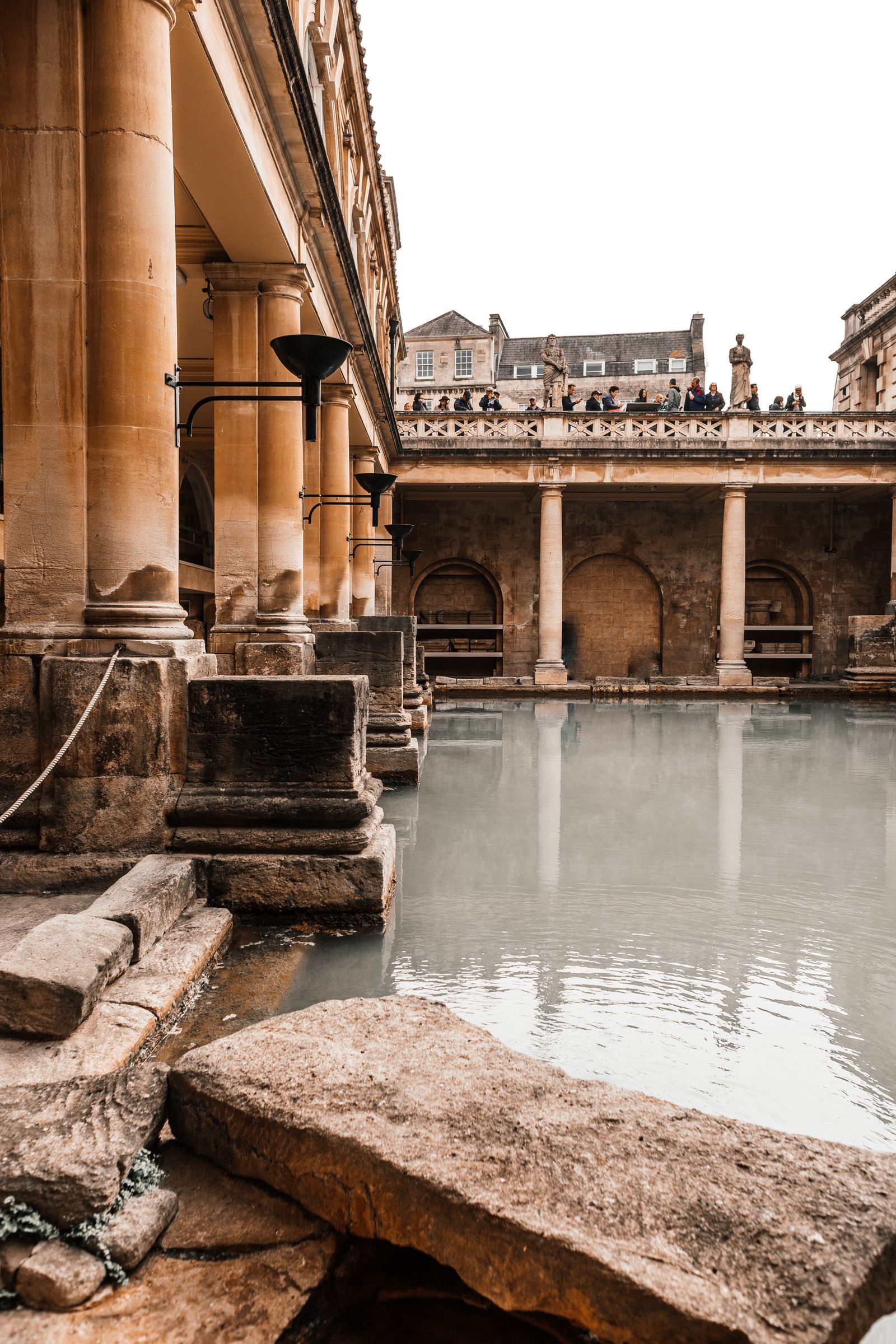
Georgian crescents and a working Roman bathhouse.
 1h 02m
From Victoria
1h 02m
From Victoria
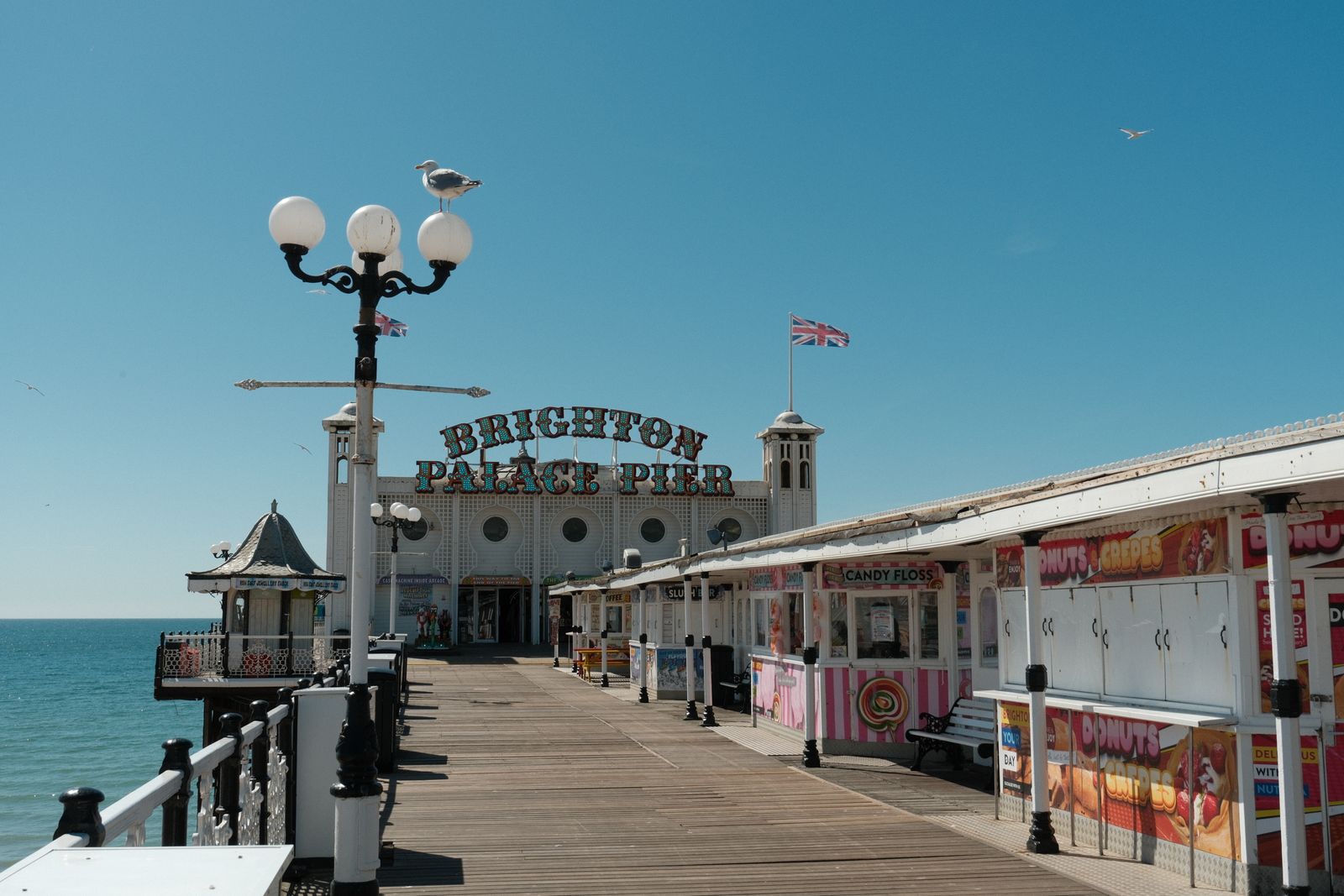
Pebbles, a pier and the Lanes. The cheapest sea air from London.
1h 40m
From Paddington
Honey-stone villages and field paths between them.
 0h 55m
From Marylebone
0h 55m
From Marylebone
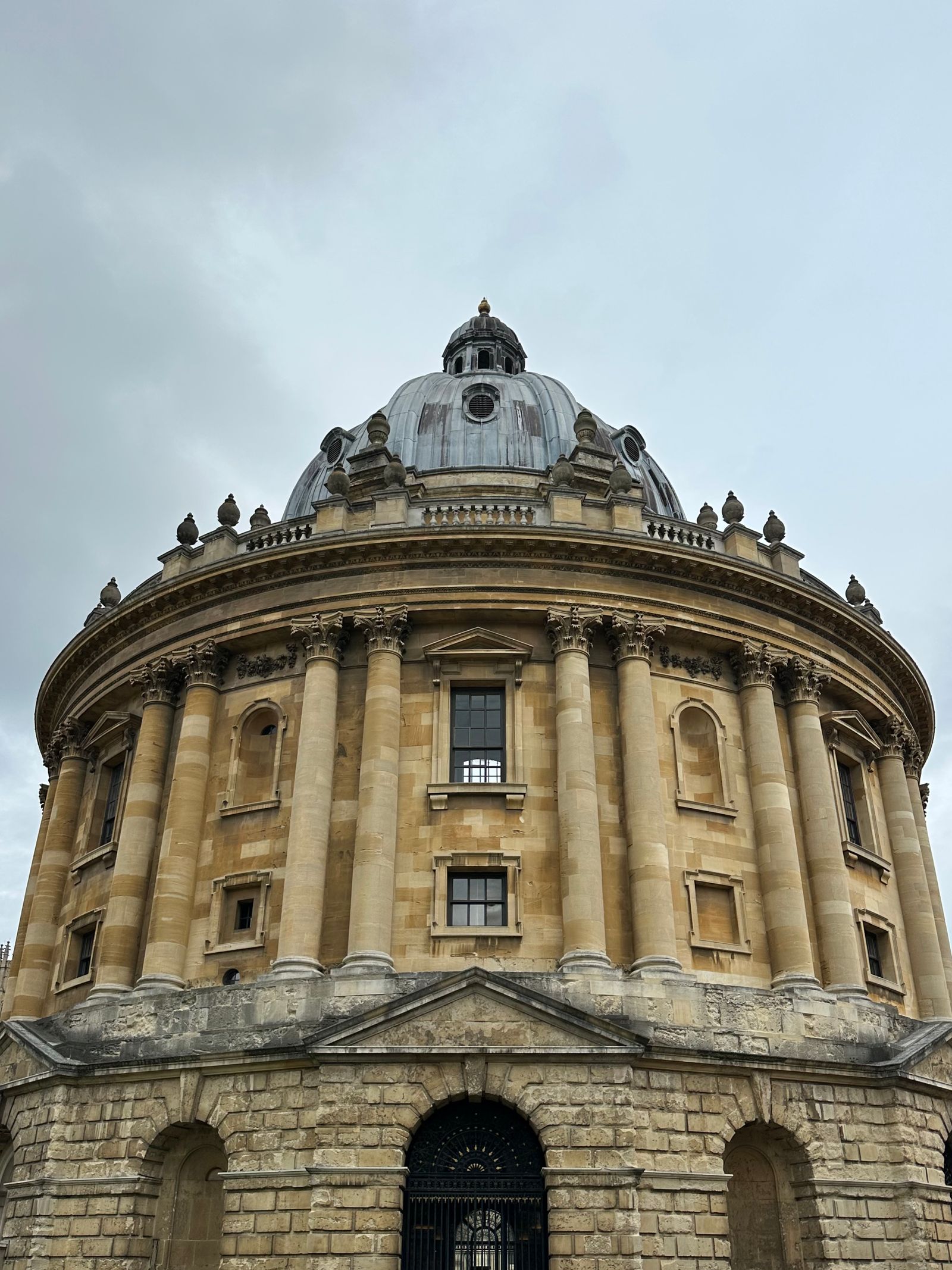
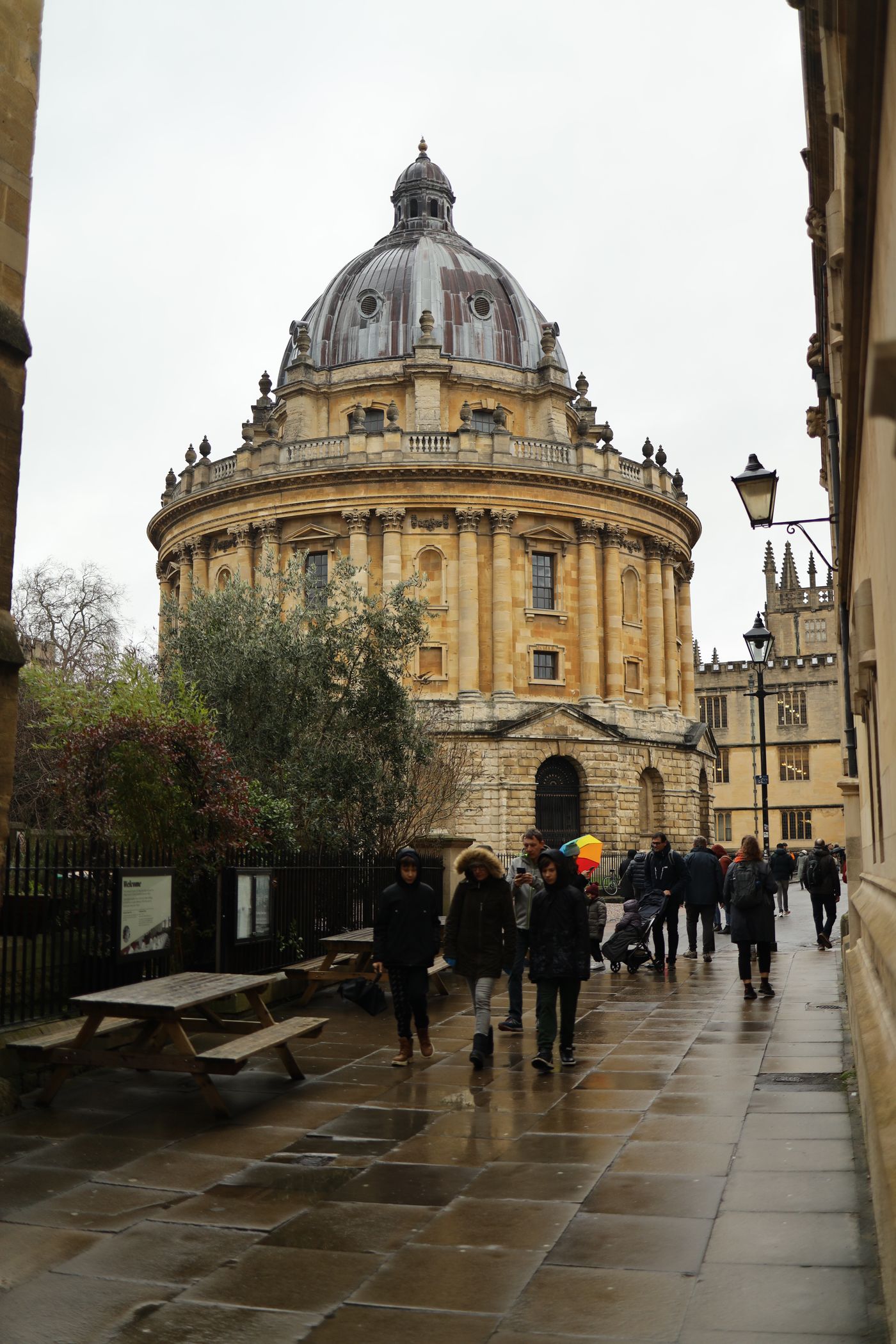
Colleges, covered market and the Radcliffe Camera.
 1h 07m
From St Pancras
1h 07m
From St Pancras
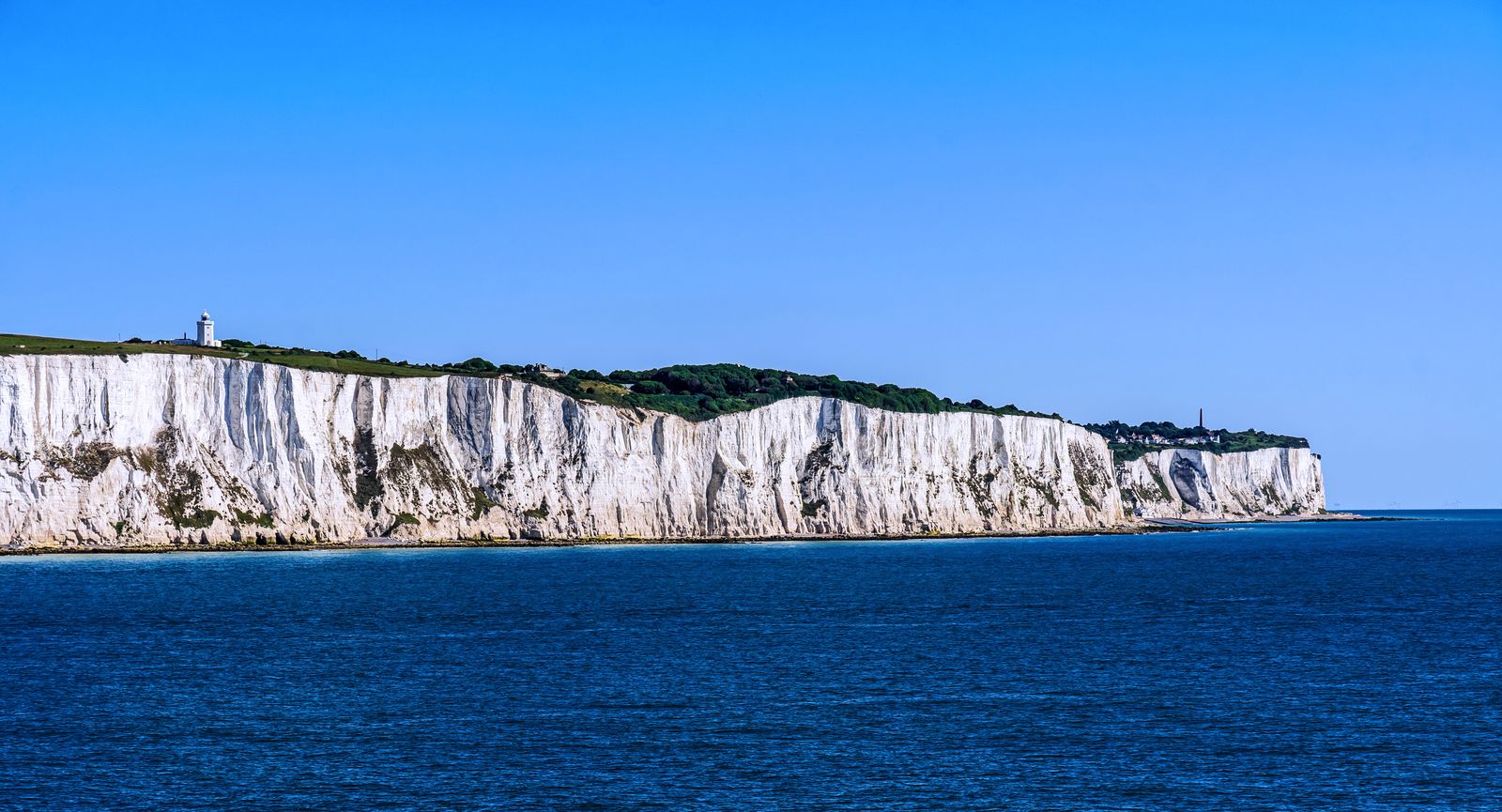
Chalk cliffs, a Norman castle and France on a clear day.
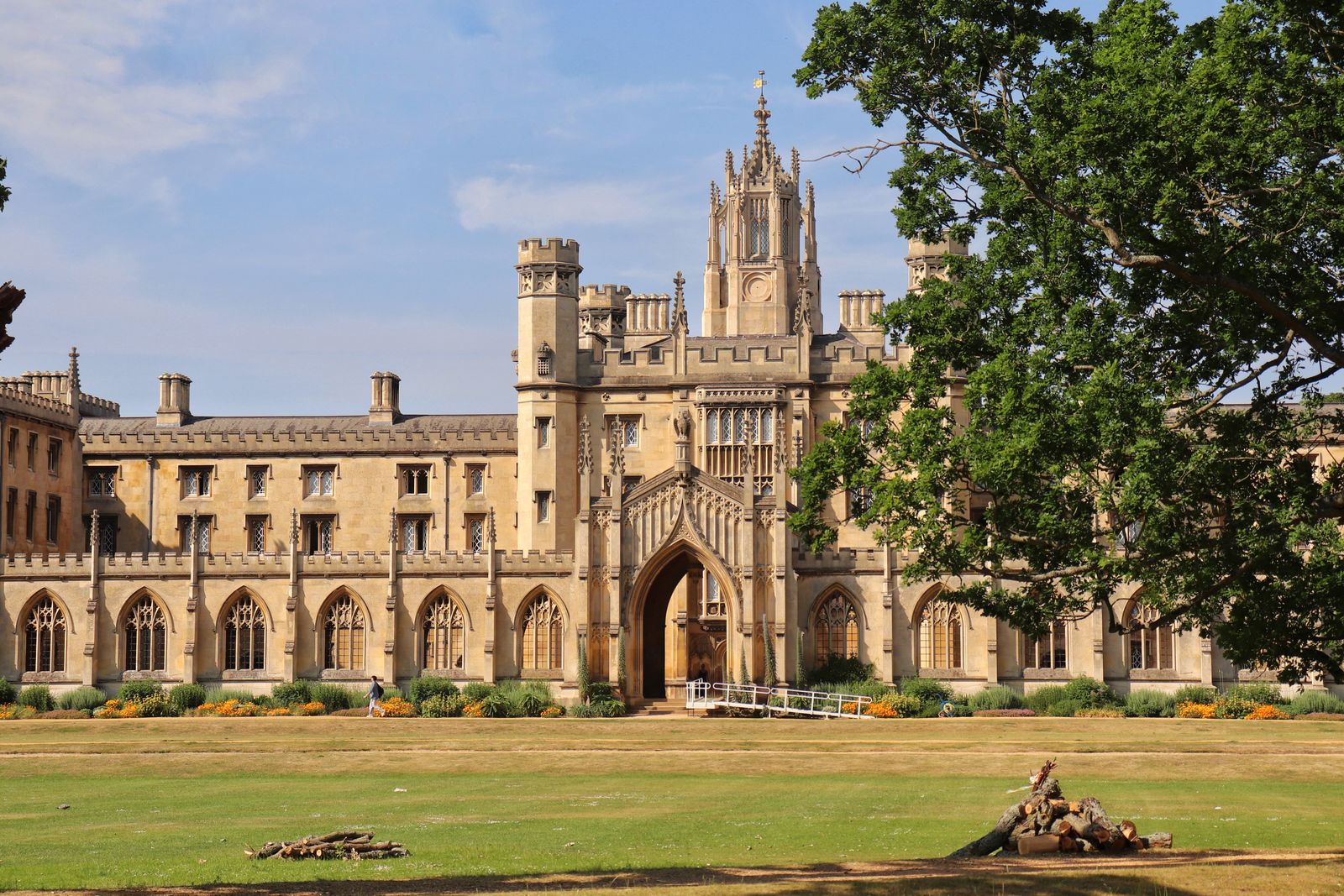 0h 48m
From King's Cross
0h 48m
From King's Cross
Punting, courtyards and the Fitzwilliam Museum.
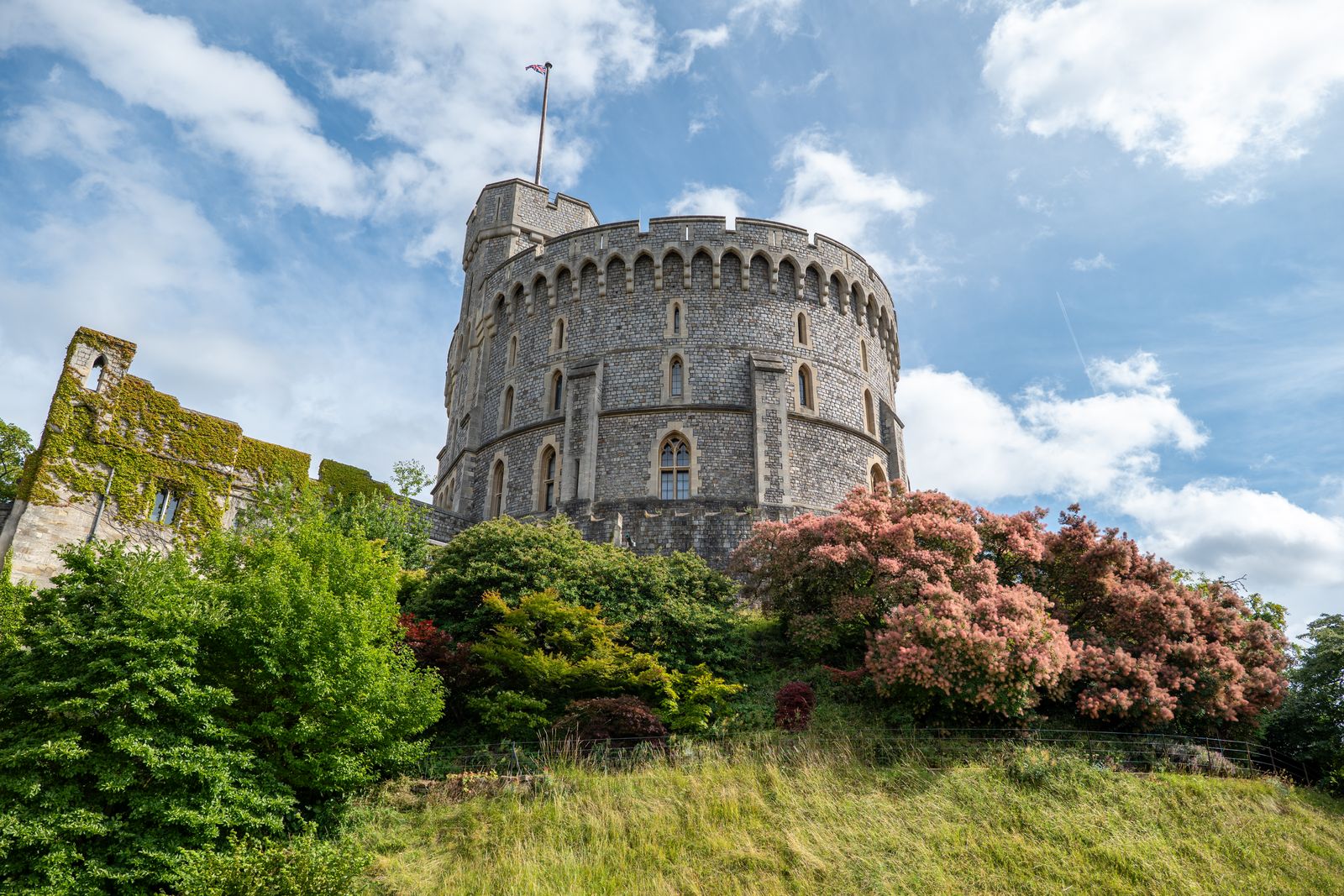 0h 52m
From Waterloo
0h 52m
From Waterloo
A castle still in use, plus Eton across the bridge.
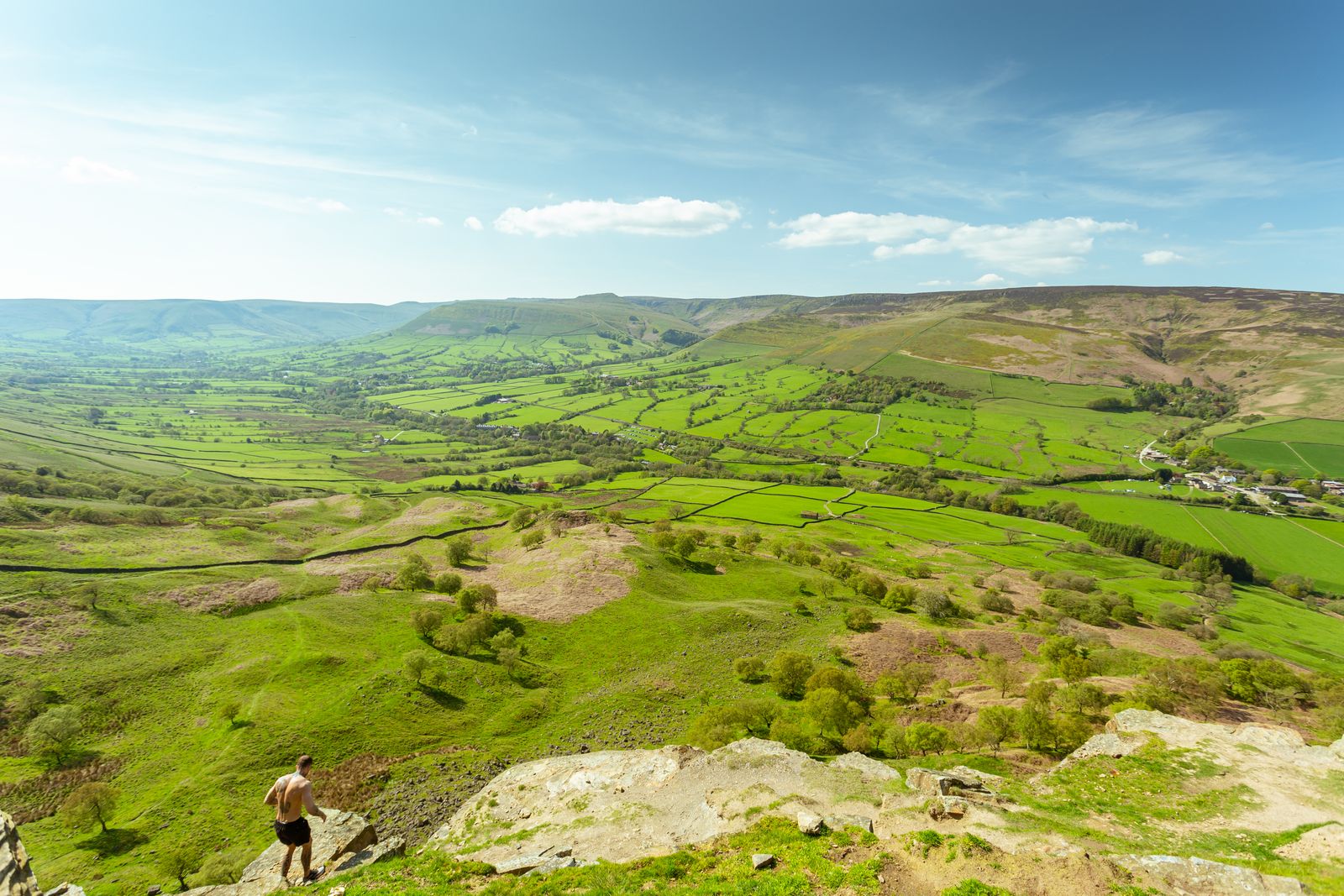 2h 10m
From St Pancras
2h 10m
From St Pancras
Gritstone edges and sheep. Get off at Edale and walk up.
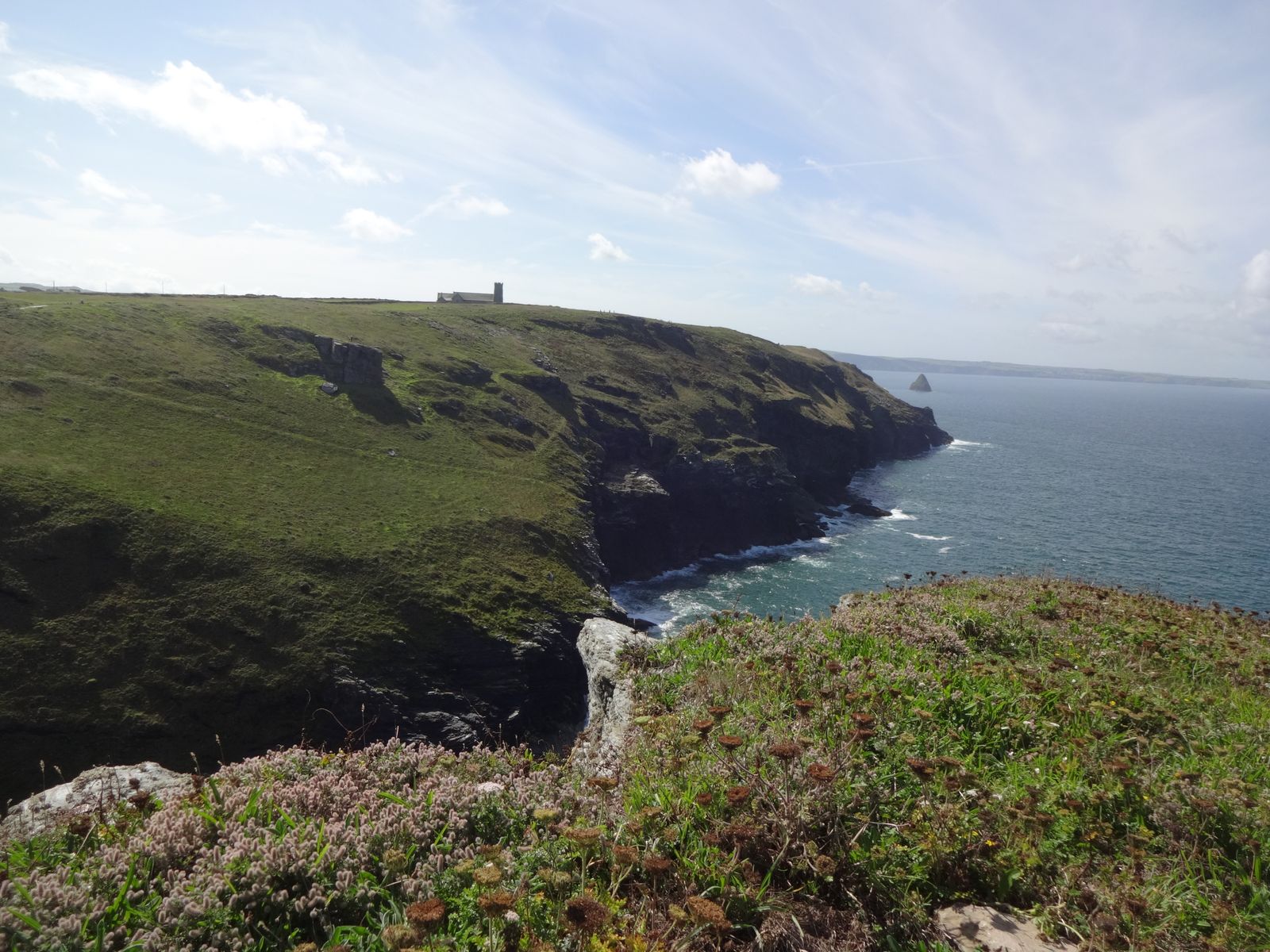 Overnight
Sleeper from Paddington
Overnight
Sleeper from Paddington
Tintagel, Padstow and a coast path that never stops.
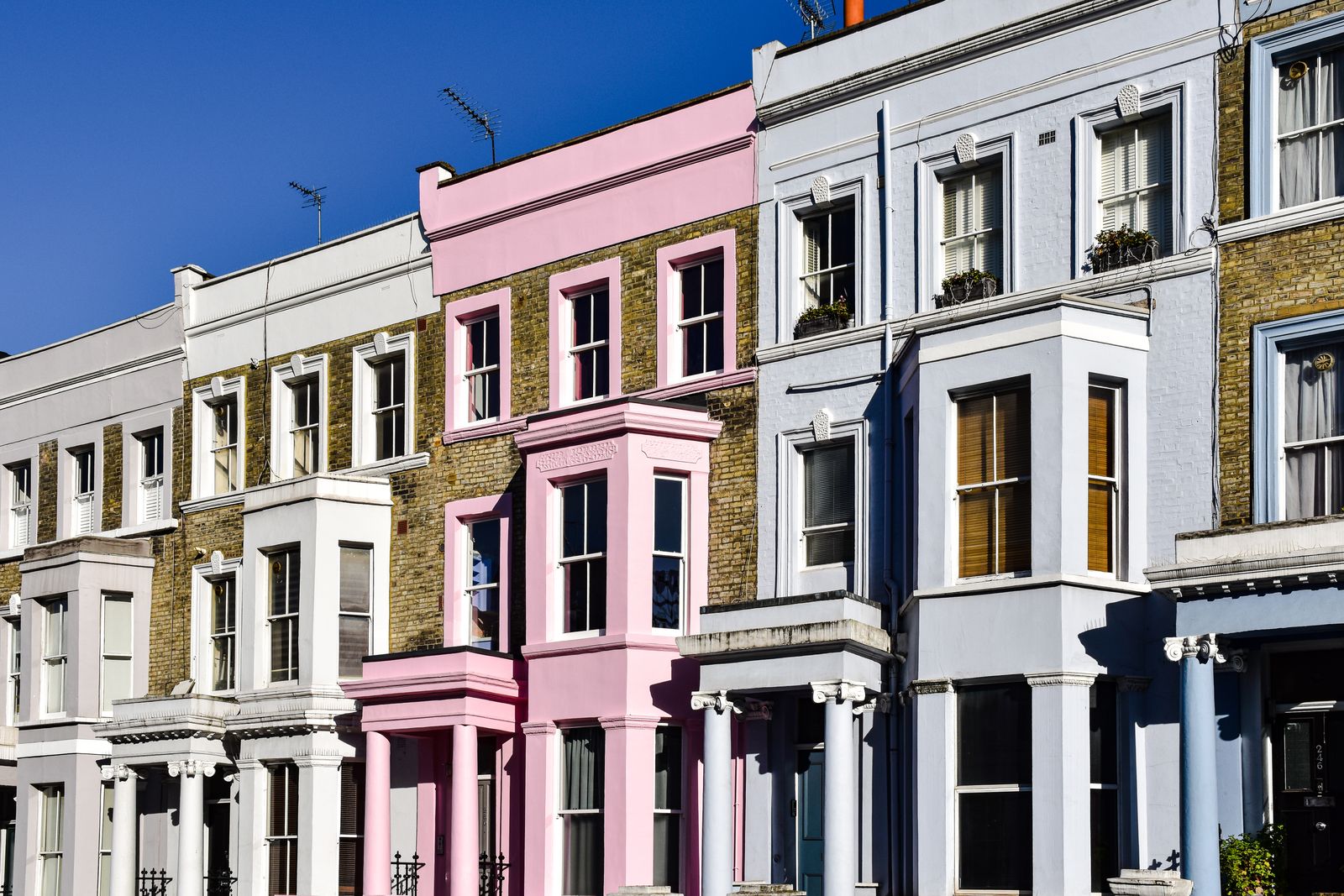
London, decoded
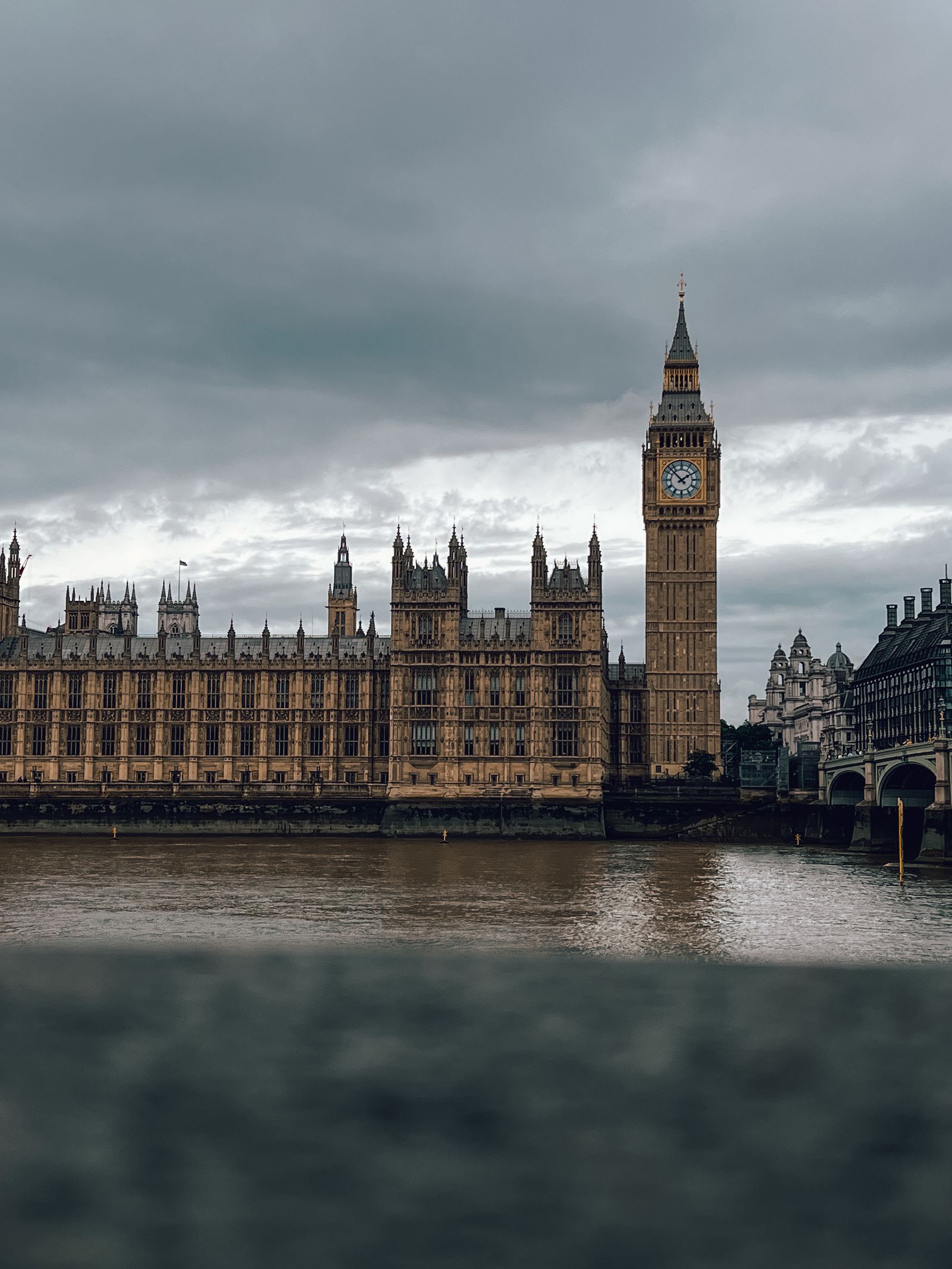
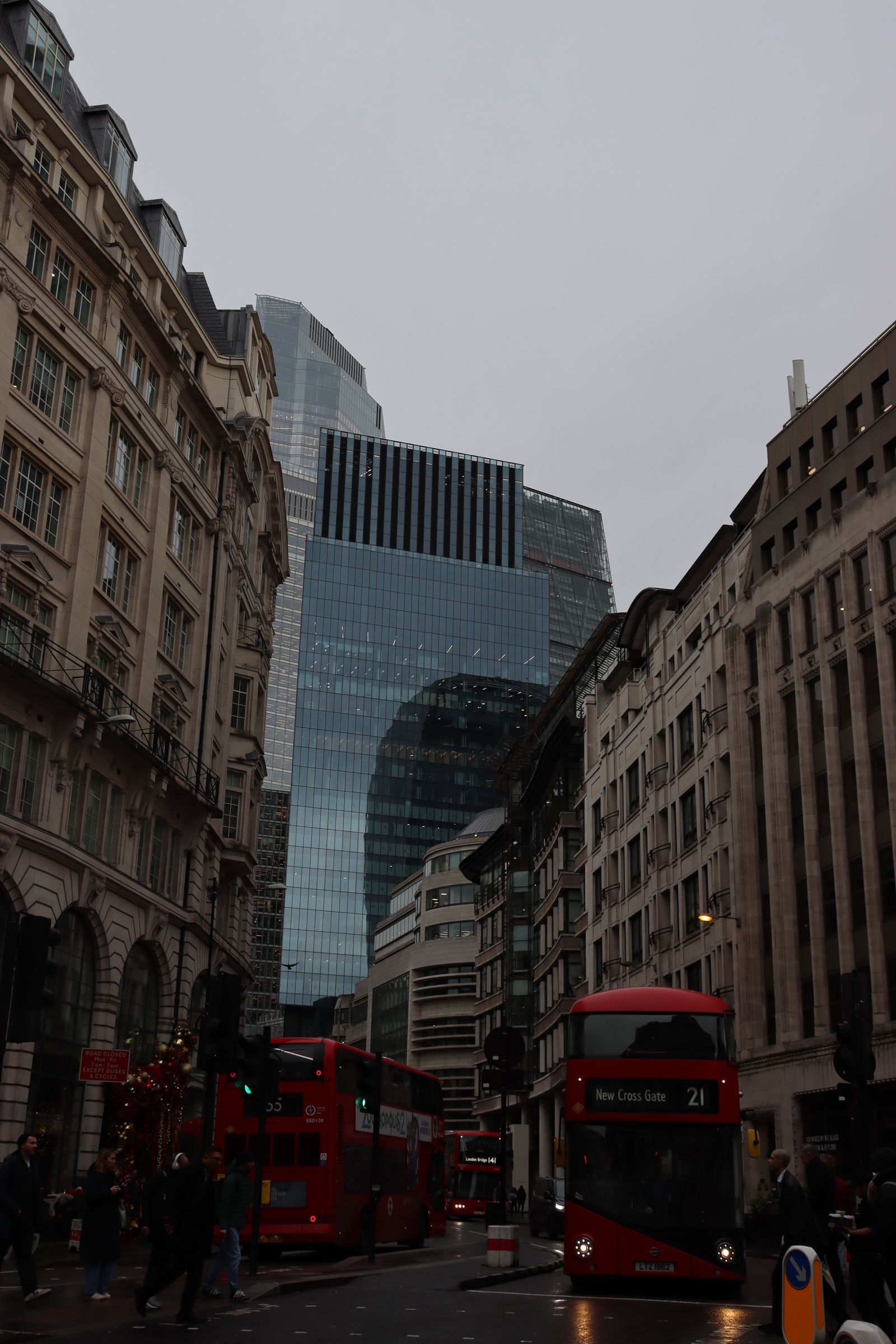
London is not one city, it is a stack of villages that grew into each other. Knowing which one suits your morning saves two hours on the Tube every day.
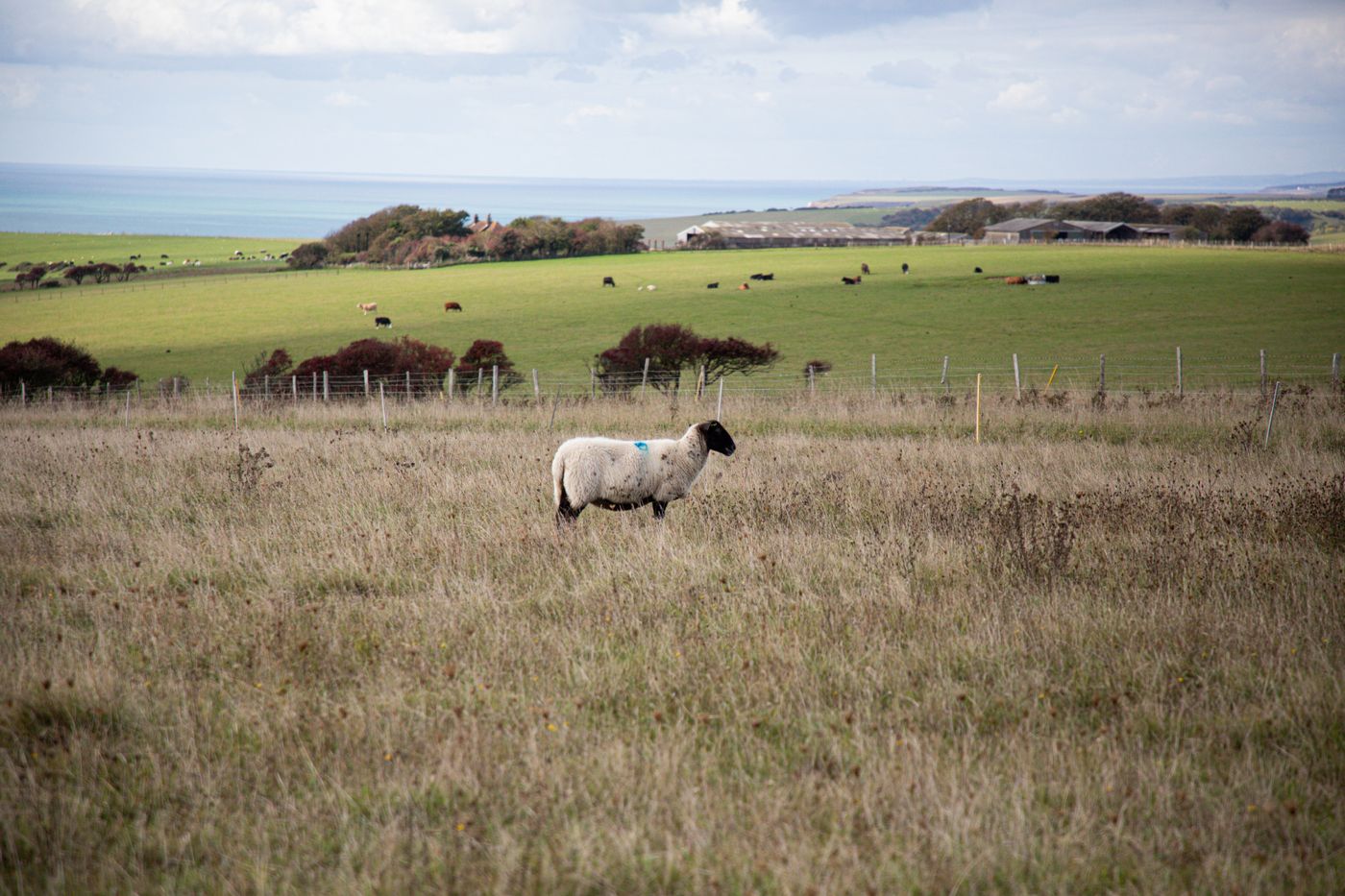
Out of town
England has 140,000 miles of rights of way, waymarked with small yellow arrows, and they run straight through farms and estates. Learn the signs and the countryside opens up for free.
Timing
England changes character four times a year and prices follow. Here is the honest trade-off for each.
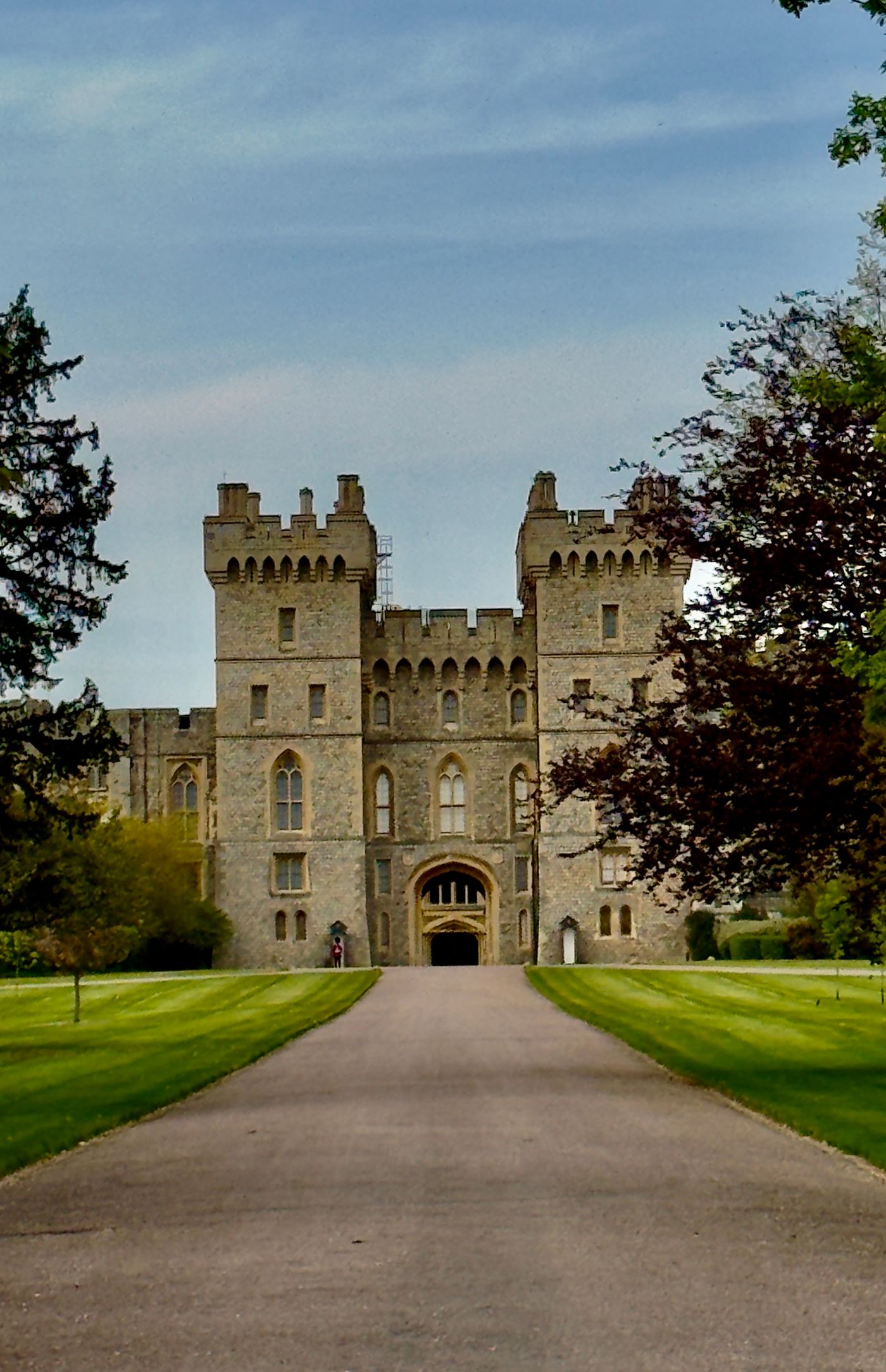
The value window. Gardens wake up, daylight stretches to 20:30 by mid-May, and hotel rates have not caught up yet.
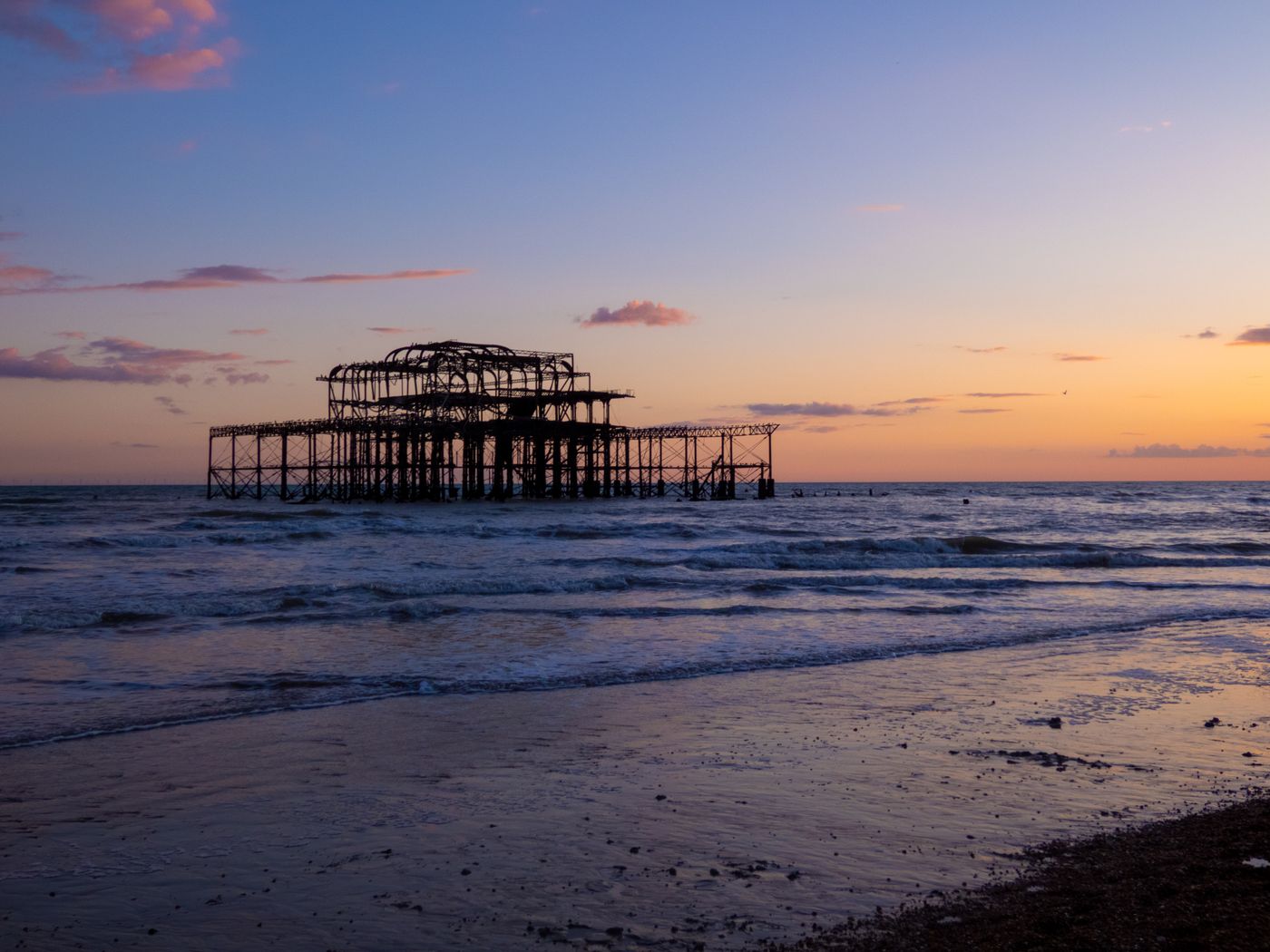
Long evenings, festivals and every attraction at capacity. Book timed entry weeks ahead or accept the queue.

September is summer with the crowds removed. By November it is dark at four, but the pubs finally make sense.
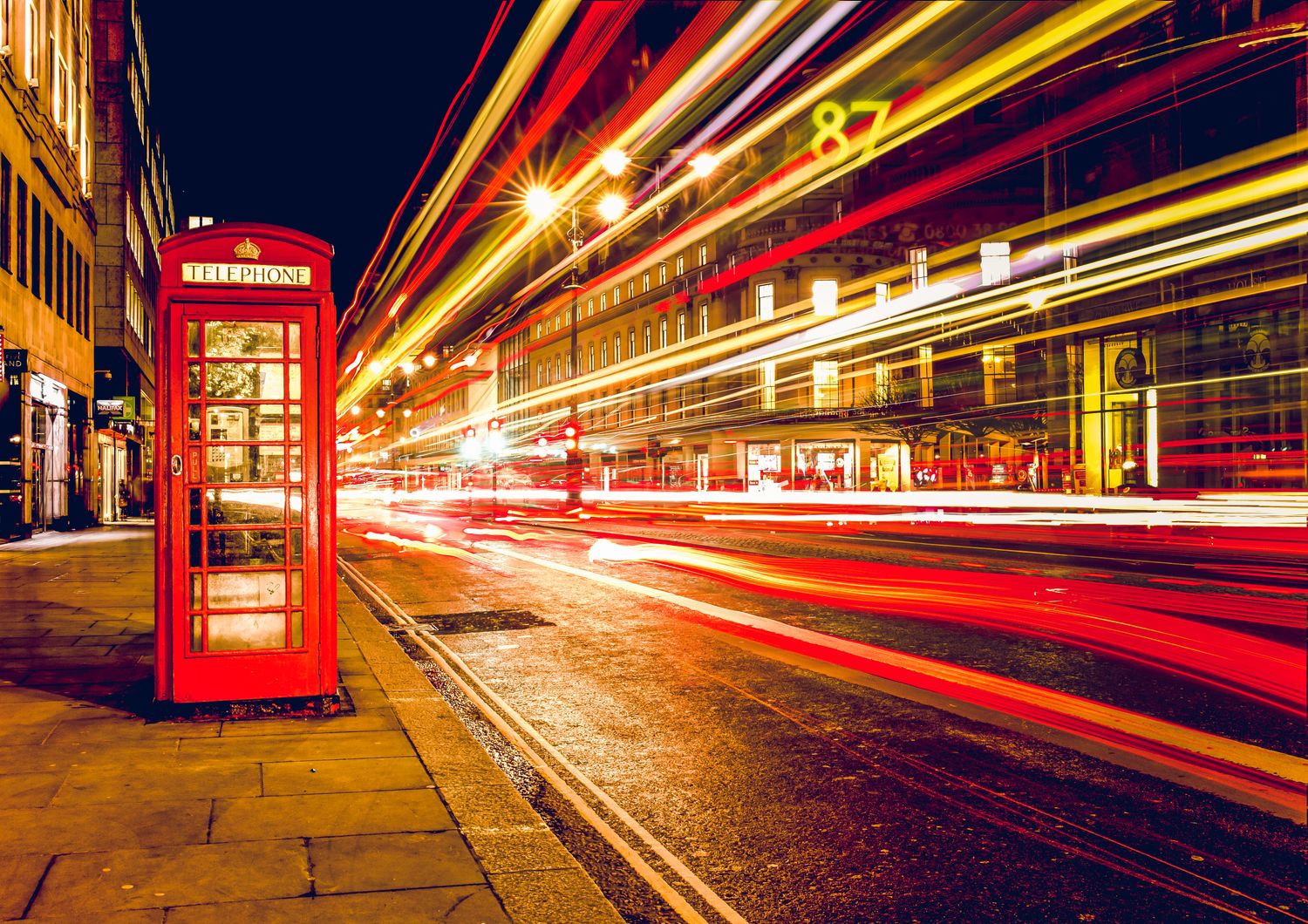
Cheapest flights, emptiest galleries, shortest days. Christmas markets in December, then a very quiet January.
Method
Do them in this order and the rest of the trip arranges itself. Do them backwards and you pay for it in train fares.
Move one
Advance train fares and hotel rates both hinge on the calendar. Late April, mid-September and late January are the three cheap windows; school half-terms are the three expensive ones.
Move two
London plus one other city is a complete first trip. York, Bath or Bristol all work as the second base and each opens a different half of the country.
Move three
Twelve weeks ahead, at 00:01. This single habit is worth more than every discount card combined — often the difference between £27 and £128.
Move four
Tower of London, Roman Baths, Stonehenge, Westminster Abbey and any cathedral tower need slots. Free national museums do not — walk in.
Move five
Weather, strikes and unexpectedly good pubs all need somewhere to go. An unplanned Tuesday is the most useful thing in your itinerary.
Money, plainly
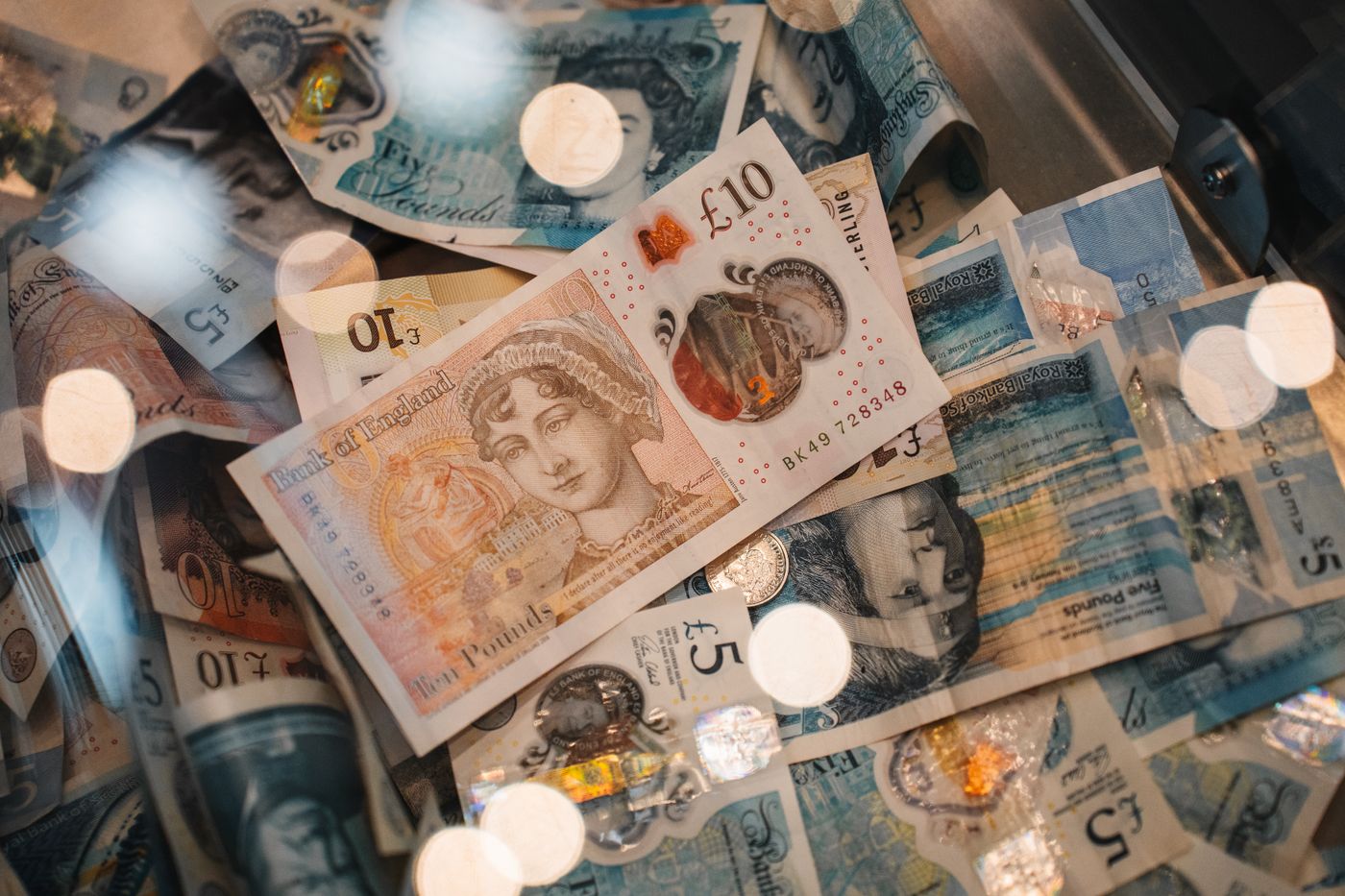
Per person, per day, including a bed, three meals, local transport and one paid attraction. Checked against receipts in February 2026.
| Line item | Thrifty | Middle | Comfortable |
|---|---|---|---|
| Bed for the night | £34 | £118 | £265 |
| Breakfast | £3 | £11 | £22 |
| Lunch | £6 | £16 | £34 |
| Dinner and a drink | £11 | £29 | £68 |
| Local transport | £6.00 | £8.90 | £24 |
| One paid attraction | £0 | £27 | £38 |
| Daily total, London | £60 | £210 | £451 |
| Daily total, elsewhere | £44 | £152 | £318 |
Indicative 2026 prices · London figures assume contactless daily capping
Postcards back
“We landed with a spreadsheet built entirely from this site and it survived contact with reality. The twelve-week train rule alone saved us about £190.”
“Finally somewhere that admits November is dark and cheap instead of pretending every month is golden hour. We went anyway, and it was the right call.”
“The etiquette page saved me from at least three quiet English disasters. I now order at the bar like I was born to it.”
Quick answers
Longer answers, and thirty more questions, live on the FAQ page.
Almost never. Contactless cards and phones work on buses, trains, market stalls and most pubs. Carry £20 in notes for the rare cash-only chippy, an honesty box on a country footpath, or a village bus in the far south-west.
No, not for visitors. Tapping your own contactless bank card or phone gets the identical fare and the same daily and weekly caps, without the £7 deposit. Only get an Oyster if your card does not support contactless.
Seven nights is the comfortable minimum: four in London, three somewhere else. Ten nights lets you add a third base without rushing. Under five nights, stay in London and take day trips.
It will rain some of most days and all of a few. England gets less annual rainfall than Rome — it just spreads it thinly. Pack a light waterproof, skip the umbrella if it is windy, and plan an indoor option for each afternoon.
Restaurants usually add a 12.5% discretionary service charge — check the bill before adding more, and ask for it to be removed if the service was poor. Pubs, cafés and taxis do not expect a tip, though rounding up a fare is normal.
Next step
Tell us the dates, the budget and who is travelling. We will point you at the right guide and answer the questions the brochures skip.
Cookies, kept minimal
No preference saved yet
Essential cookies keep the site working. Optional ones tell us which guides get read so we know what to update. No ad networks, no data sold, and you can change this any time.