999
Emergencies
Police, fire or ambulance when there is a real and immediate risk. Free from any phone, including locked handsets. 112 works identically.
Practical essentials
The unglamorous half of a trip: what the sockets look like, where to get data, what happens if you feel unwell, and which numbers to call when something goes wrong.
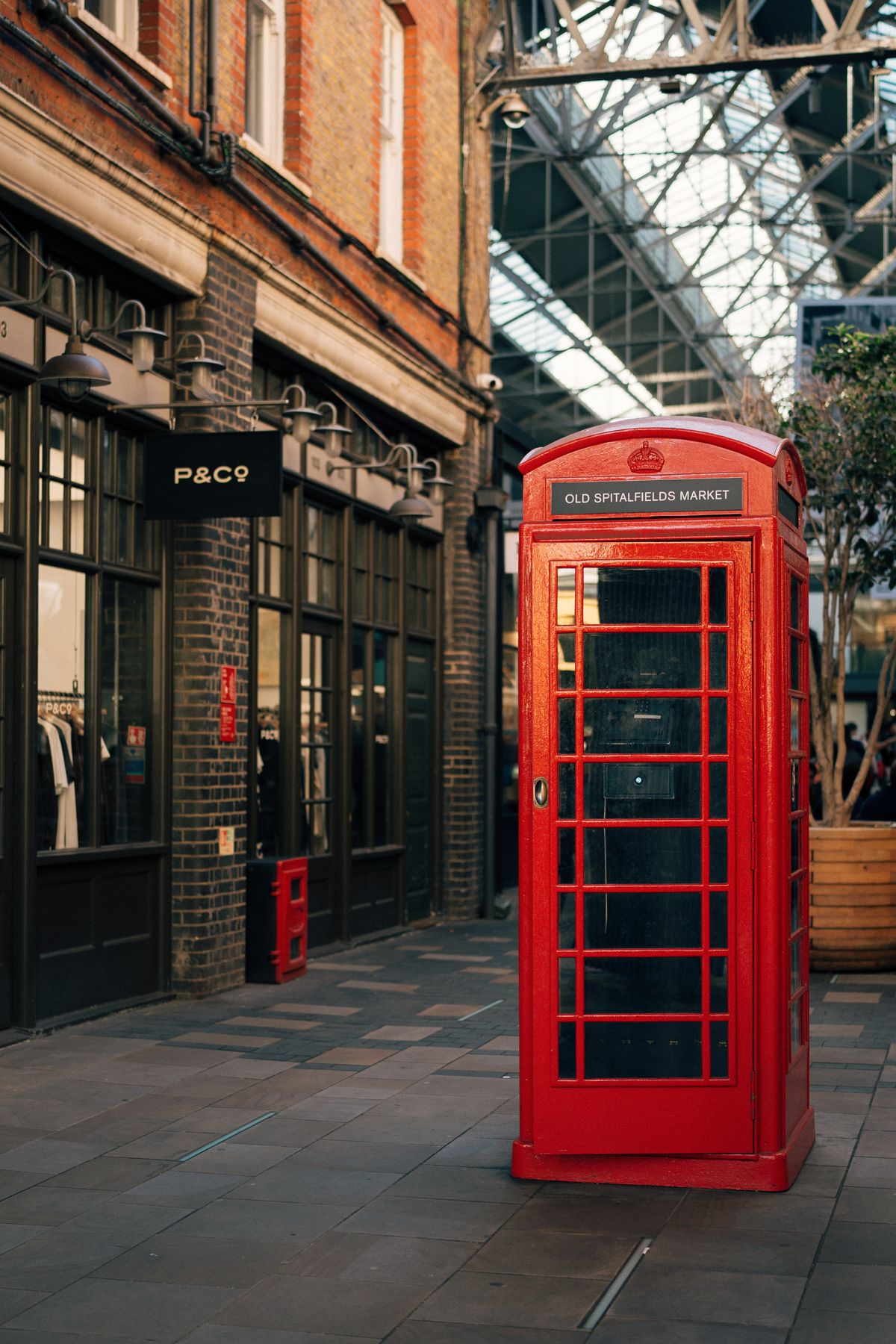
Numbers
All free to call from any phone, including a locked one with no credit.
Police, fire or ambulance when there is a real and immediate risk. Free from any phone, including locked handsets. 112 works identically.
Free medical advice around the clock. They will tell you whether to see a pharmacist, book an urgent appointment or go to A&E. Use this first.
Reporting a theft, a lost passport crime reference, or anything that has already happened. Expect to wait a few minutes.
Reports and updates for electricity failures, free from any network. Useful in rural cottages during winter storms.
Public transport information for any bus, coach or train in England, staffed rather than automated.
Us. Weekdays 09:00–18:00 UK time, for trip questions rather than emergencies.
Health
English pharmacists are qualified to assess and treat a long list of minor conditions without an appointment, and it is free to talk to them.
| Situation | Where to go | Cost |
|---|---|---|
| Cold, cough, rash, sting | Any pharmacy | Free advice, £4–12 remedy |
| Not sure how serious | Call NHS 111 | Free |
| Sprain, small cut, minor break | Urgent treatment centre | Free assessment |
| Dental pain | Call 111 for an emergency dentist | £26.80–£319.10 |
| Prescription medicine | Pharmacy with a prescription | £9.90 per item |
| Chest pain, bad bleeding | 999 or A&E | Free |
| Contraception, morning after | Pharmacy or sexual health clinic | Free or £25–35 |
2026 NHS England charges · emergency treatment is free to all visitors
Power
Data
| Option | Cost | Data | Where |
|---|---|---|---|
| eSIM, pre-booked | £8–18 | 5–20GB | Bought online before you fly |
| Pay-as-you-go SIM | £10–20 | 10–50GB | Any phone shop or supermarket |
| Airport SIM kiosk | £20–30 | 10–20GB | Convenient, overpriced |
| Roaming from the EU | Varies | Varies | Check — no longer always free |
Coverage is good in cities and patchy on moorland and rural railway lines
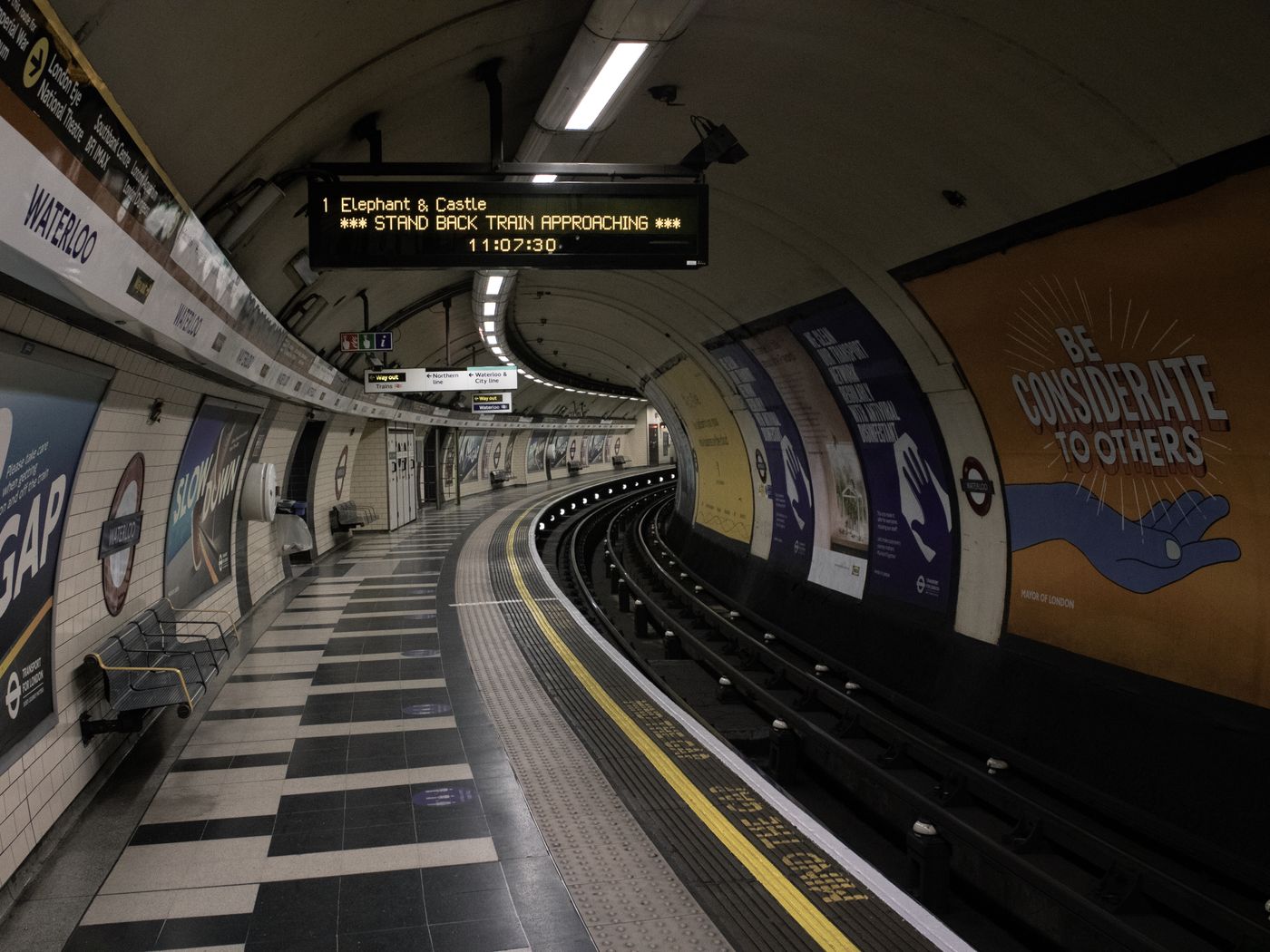
Street sense
Violent crime against visitors is rare. Opportunistic phone theft in crowded central London is not — moped snatches and distraction thefts are a genuine, well-organised nuisance in a handful of specific places.
Tap water is safe and good everywhere in England. Restaurants must provide it free on request — ask for "tap water" specifically.
No dangerous wildlife. Adders are the only venomous snake and are shy; ticks in long grass are the real concern on walks.
Cold year-round and tidal ranges are large. Check tide tables before walking on any beach with a cliff behind it.
Hills change fast. Two extra layers, a charged phone and a paper map turn a bad afternoon into an inconvenience.
Admin
Most visitors now need an Electronic Travel Authorisation before flying, even for a short visit. Apply online, it takes minutes and costs a small fee.
Apply online
Emergency care is free; repatriation, cancellation and lost baggage are not. Check the policy covers hiking if you plan to walk the fells.
Non-negotiable
Passport, insurance certificate, prescriptions and train reservations. Store them somewhere you can reach without your phone.
Cloud and paper
Most cards work without notice now, but a fraud freeze mid-trip is genuinely disruptive. Carry a second card from a different provider.
Two cards
Practical questions
Yes, everywhere in England, and it tastes fine. Restaurants and pubs must provide it free on request. Bring a refillable bottle — there are public fountains in most city centres.
No specific vaccinations are required or recommended for travel to England beyond keeping routine immunisations up to date.
999, or 112 which works identically. Both are free from any phone, including a locked handset with no credit. Ask for police, fire or ambulance when the operator answers.
Depends entirely on your provider — post-Brexit, EU roaming is no longer guaranteed free. An eSIM bought before you fly costs £8–18 for enough data for a fortnight and avoids the question.
In city centres and residential areas, generally yes, with standard urban sense: lit streets, avoid empty underpasses, keep your phone out of your hand. England's risk to visitors is overwhelmingly theft, not violence.
Report it to the police on 101 for a crime reference, then contact your embassy or consulate in London for an emergency travel document. Having a photograph of the passport makes this substantially faster.
Practical help
Medication rules, accessibility, travelling with children or a dietary requirement. Ask and we will find out properly rather than guess.
Cookies, kept minimal
No preference saved yet
Essential cookies keep the site working. Optional ones tell us which guides get read so we know what to update. No ad networks, no data sold, and you can change this any time.